Dubai Is Not Just Showcasing Innovation — It Is Teaching Innovators How to Think Bigger
Aya Moug’s papyrus work points to a deeper shift in the UAE: original ideas, rooted in heritage, are becoming a competitive advantage across design, hospitality and the creative economy.

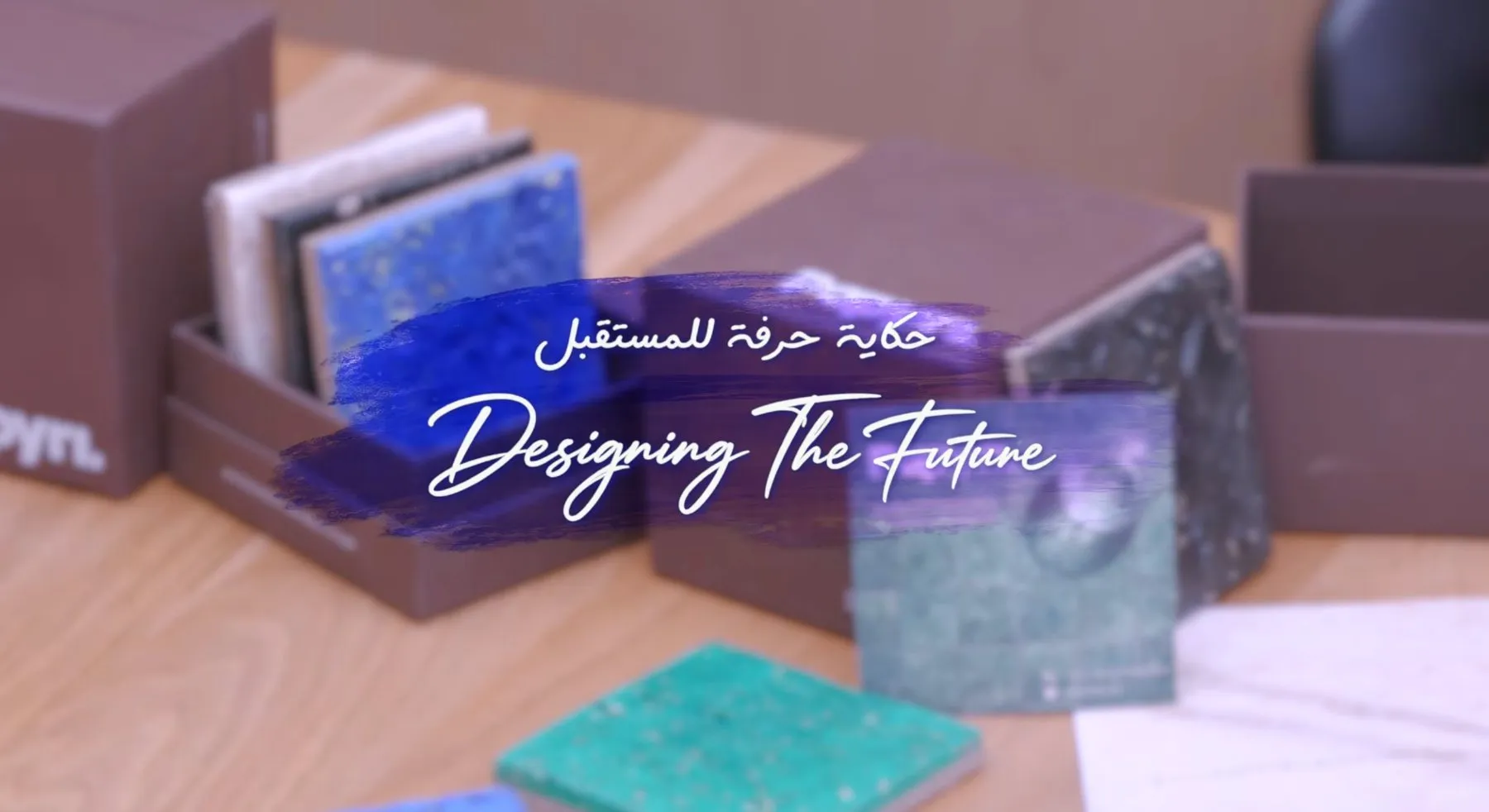
The bigger story behind a material
I recently watched Aya Moug’s interview from the Museum of the Future in Dubai, and what stayed with me was not just the product itself, but the idea behind it. Aya is not simply using papyrus as a material. She is rethinking what a familiar natural material can become when it is treated with imagination, craft and contemporary design intelligence.
That matters because innovation is often described as something that starts from nothing. In reality, some of the most interesting work comes from looking again at what already exists — heritage materials, older techniques, and natural resources that have been present all along. The shift is not always in the raw material. More often, it is in the process, the framing and the ambition.
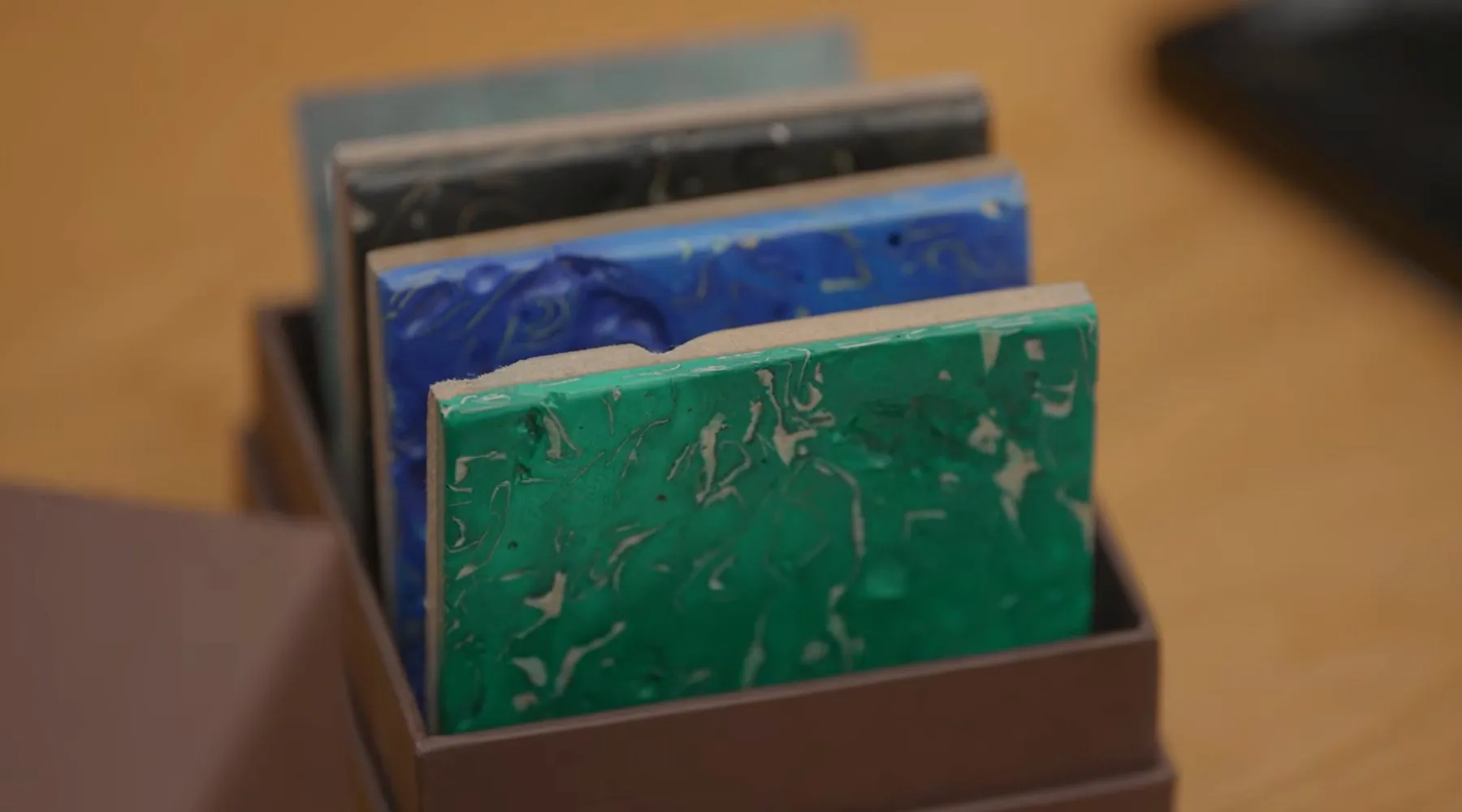
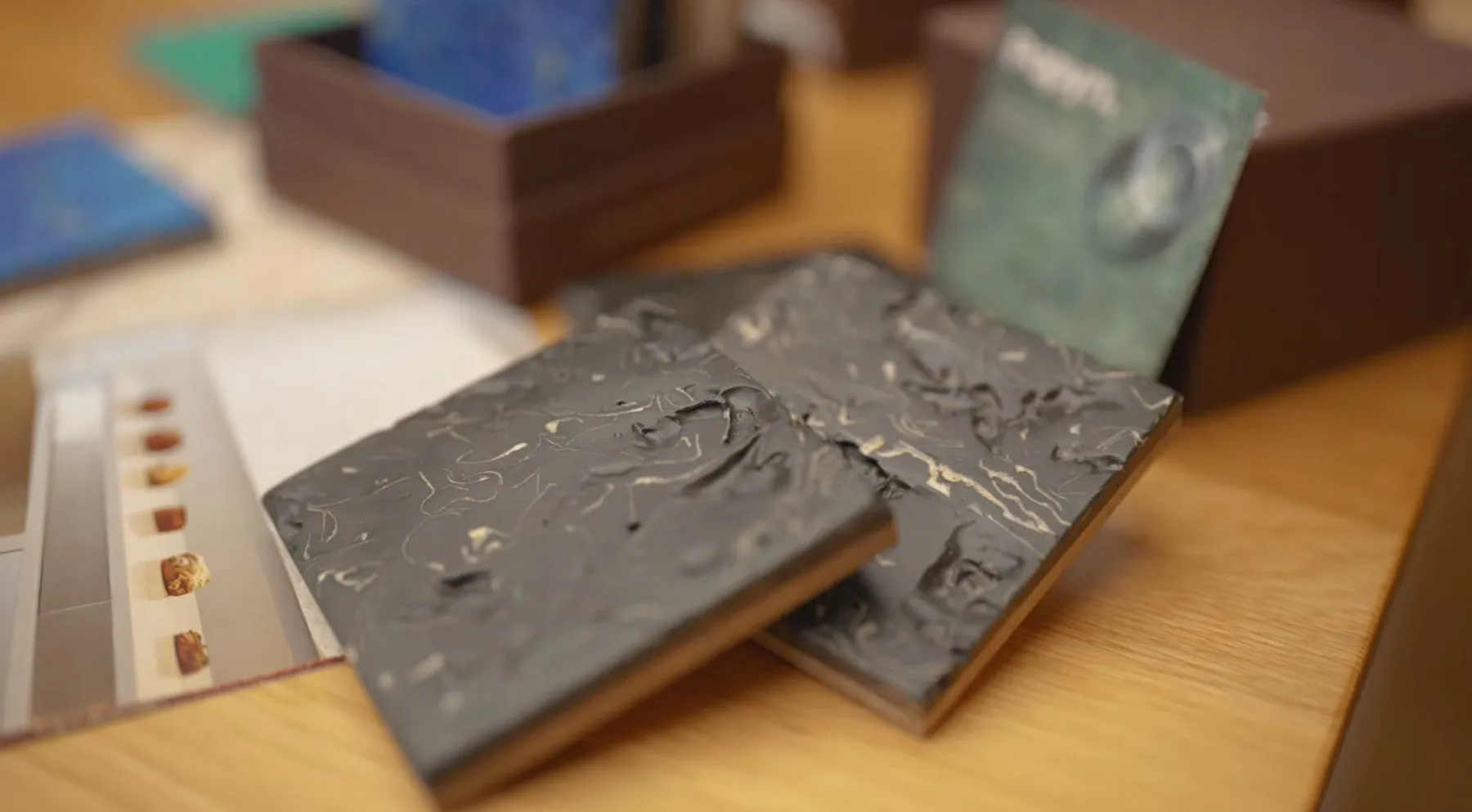
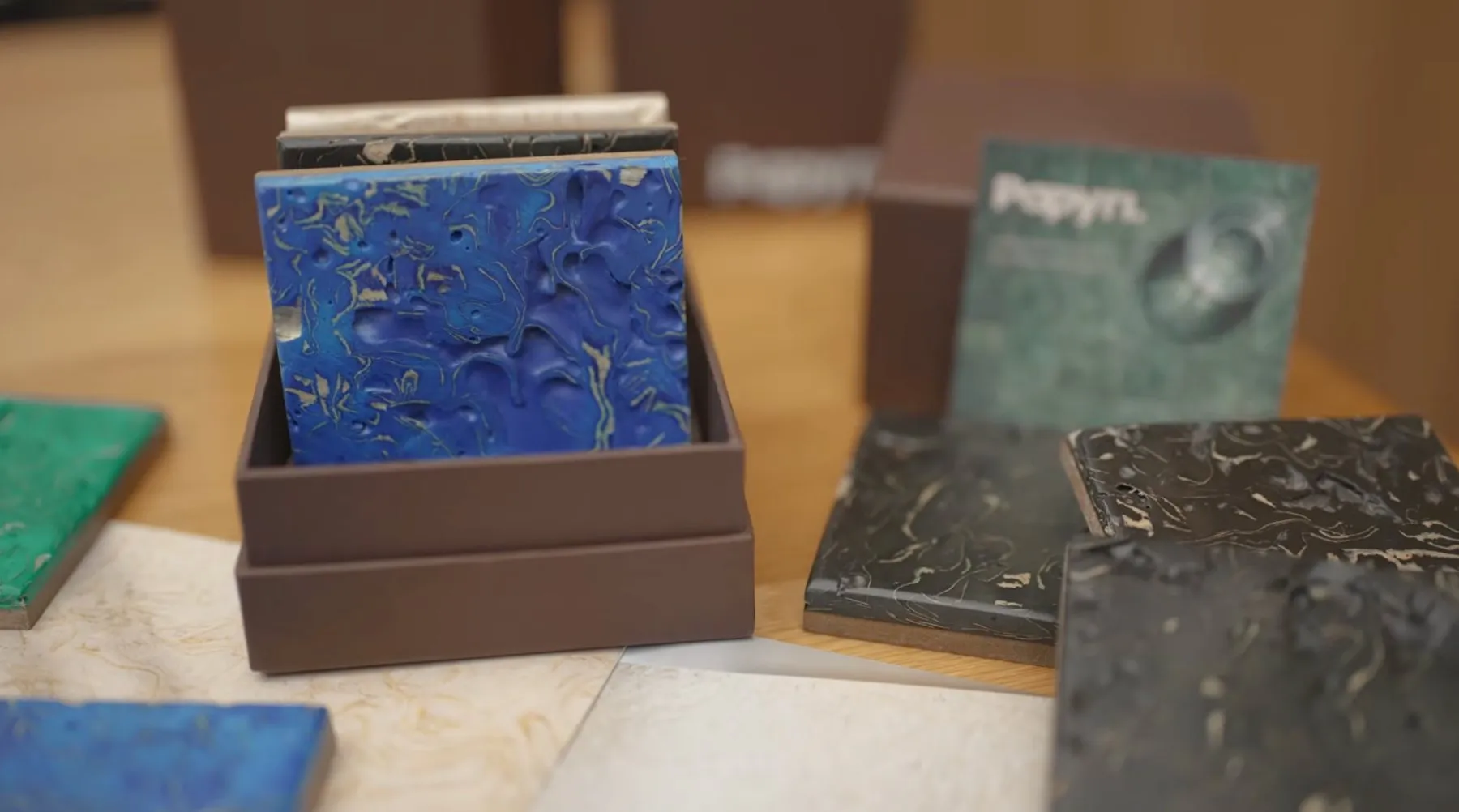 Byblos, the material invented by Aya Moug based on papyrus
Heritage does not have to compete with futurism
What struck me most is how comfortably this kind of work sits inside Dubai’s wider identity. The city has long marketed itself through the language of ambition, speed and possibility. But interviews like this suggest something more subtle: Dubai is also becoming a place where heritage and futurism can coexist without canceling each other out.
Aya’s work feels like part of that evolution. It shows that a designer in the UAE does not have to choose between being rooted in tradition and being relevant to the future. The two can reinforce each other. In fact, the strongest ideas may come from that tension.
This is where the UAE’s creative story becomes more interesting than a simple story of imported aesthetics. For years, much of the country’s built environment and product culture has been shaped by global references. That is changing. There is a growing confidence in local interpretation — not as decoration, but as authorship.
Why the Museum of the Future matters
The setting of the interview was important in its own right. The Museum of the Future is more than an architectural landmark. In moments like this, it also acts as a stage for regional imagination.
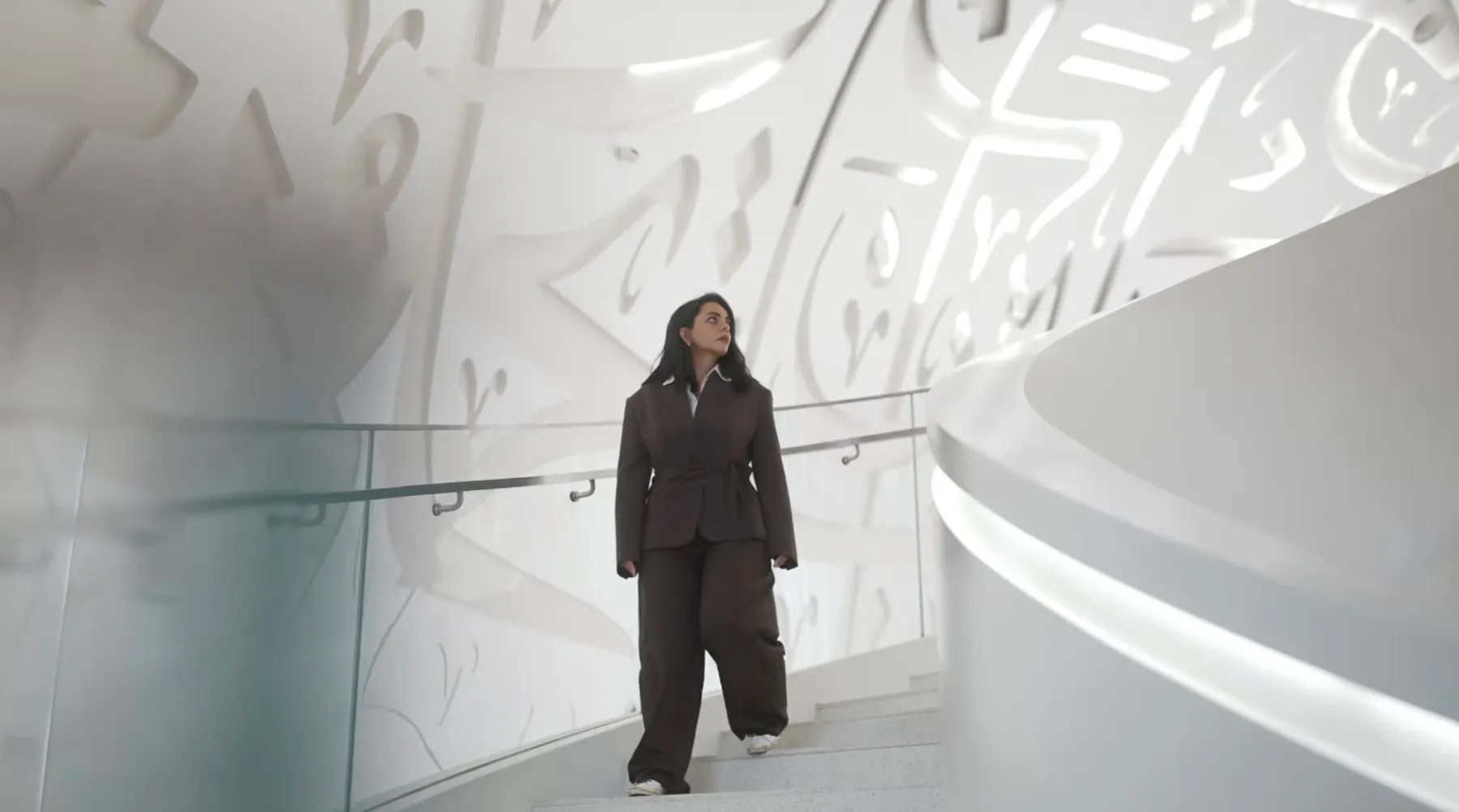
That kind of platform matters because creative ecosystems need visibility as much as they need funding or technical skill. When inventors and designers can present their ideas in a place that already carries cultural weight, their work gains a different kind of legitimacy. It is easier to see them not as isolated experimenters, but as part of a broader story about what the UAE can produce.
I think institutions like this do something powerful: they reduce the distance between aspiration and belief. They tell people that ambitious ideas do not have to be imported to be credible.
Nature, technology and the future of materials
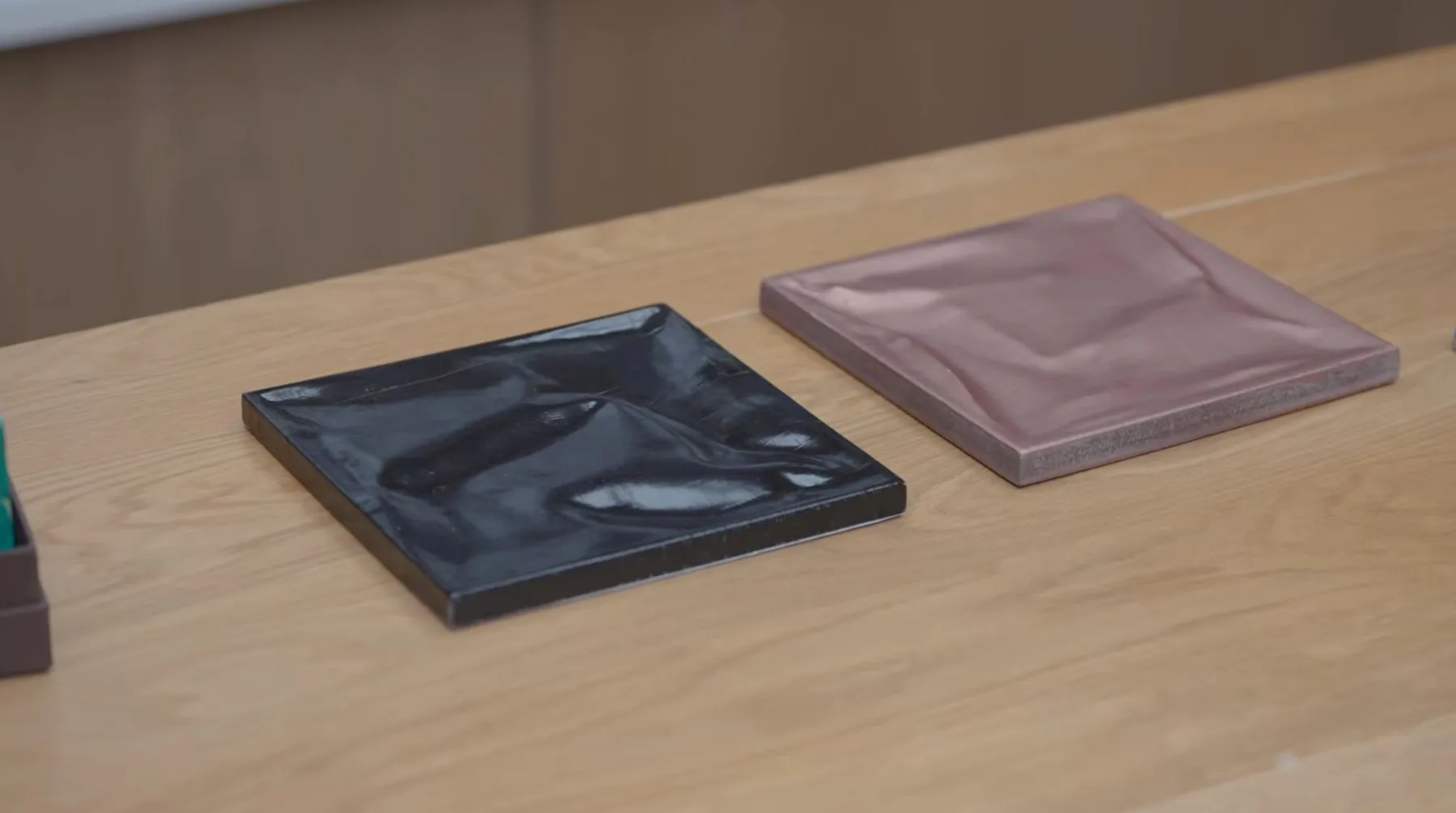
Aya’s work also points to a larger conversation about materials. There is something compelling about taking an organic plant and turning it into surfaces that visually recall metal or stone. That tension between the natural and the engineered is where a lot of the future of design may live.
Sustainability is often discussed in practical terms — sourcing, waste, energy, lifecycle. Those are essential. But there is another layer to it as well: emotional and aesthetic durability. If a material can tell a story, feel locally meaningful and still perform in modern spaces, it becomes more than a substitute. It becomes a design language.
That could have implications beyond art or collectible design. Hospitality, luxury retail and real estate are increasingly competing on experience, not just function. Materials that carry identity can shape how a space feels and how memorable it becomes.
In that sense, the conversation is not only about papyrus. It is about what kinds of surfaces, textures and material narratives the UAE wants to build its future around.
From adapting global trends to exporting original ideas
What I found most compelling in the interview was the sense that the UAE is moving from adaptation toward origination. That shift is important.
A market that mainly imports design ideas can be commercially successful, but a market that develops its own ideas, materials and aesthetics can become influential in a deeper way. It can begin to shape taste rather than simply respond to it.
That does not mean every idea needs to be monumental or globally disruptive. Sometimes the real breakthrough is smaller: a new material application, a new way of thinking about local resources, a fresh design vocabulary that feels both contemporary and culturally specific.
This is why stories like Aya’s matter. They are not only about one designer or one material. They point to a broader movement toward design-led innovation in the UAE, where creativity is increasingly tied to economic value, cultural confidence and long-term competitiveness.
What this means for the region
The more I thought about it, the clearer it became that the UAE’s next advantage may not come solely from iconic buildings or mega-projects. Those will remain important. But the more durable advantage may lie in the original ideas coming from within the country — the materials, products and creative frameworks that others begin to look toward.
That has consequences for architecture, hospitality, culture and the wider creative economy. It changes how spaces are designed, how brands signal identity, and how cities position themselves as places where new ideas are made rather than merely displayed.
Aya Moug’s work is one example, but it feels like a useful one. It suggests that the future of innovation in the UAE may be less about starting from scratch and more about seeing familiar things differently. Sometimes that is where the most valuable originality begins.