Karan Aujla’s Dubai Sighting and the Geography of Punjabi Pop
A reported street-side shoot in Dubai fits a larger map linking the city to Aujla’s life and visuals.

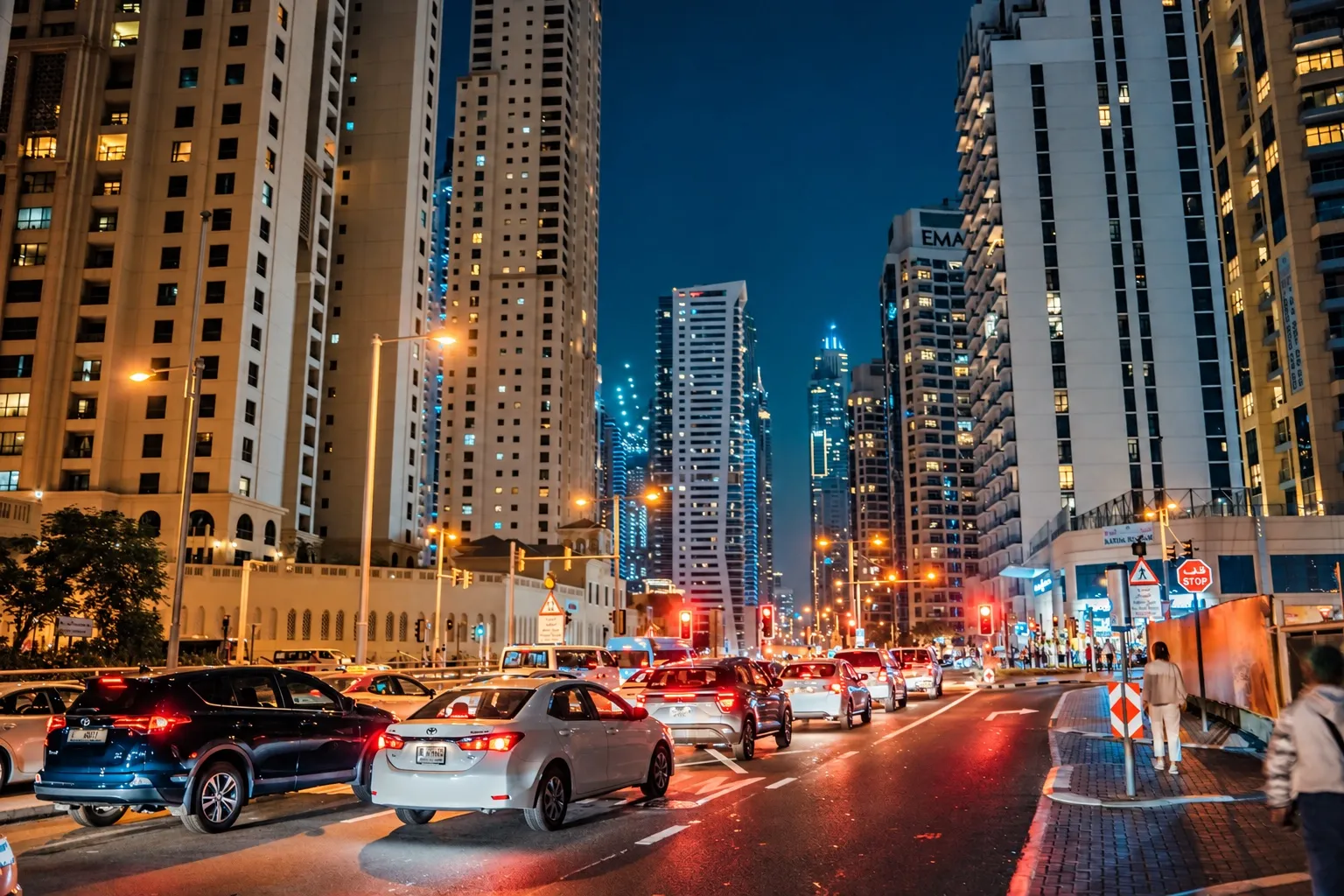
A report on Khaleej Journal’s LinkedIn page said Karan Aujla was spotted shooting his upcoming song on the streets of Dubai. The date of the shoot, the song title and any release timing remain unconfirmed. Even so, the report fits a much larger story about where Punjabi pop is being made, where it is being staged and how cities now travel with the music.
The first thing to note is that Dubai is not being introduced here as a random backdrop. It is already part of Aujla’s recent life and public geography. In an August 2025 interview with The Hollywood Reporter India, THR reported that his family moved from Vancouver to Dubai in 2023, and Aujla tied that move to security concerns. That context changes how a reported shoot in the city reads. It suggests continuity between where he lives, where he works and where his creative image can be built.
Dubai as production base, not just backdrop
The practical side of that continuity is important. A city becomes useful to an artist when it can support the ordinary mechanics of production: access, coordination, privacy, travel, location familiarity and the ability to keep a working base steady across repeated shoots.
Dubai has spent years becoming one of those cities for regional and cross-border entertainment. It is not simply a place with striking architecture or desert horizons. It is a place where image-making can be organised through local production houses and permissions-based coordination. The city’s official production directory lists local production houses, which is useful context for understanding how shoots are typically arranged. Commercial filming requires permissions and coordination; the permit arrangements for the reported shoot have not been verified.
That framework matters because it helps explain why Dubai keeps showing up in music videos from South Asian artists. Repeated use of the city can make crews more familiar with its practical rhythms, and that familiarity can support continuity from one project to the next. The broader point is that a place becomes more usable when it is already known, already mapped and already legible to the people moving through it.
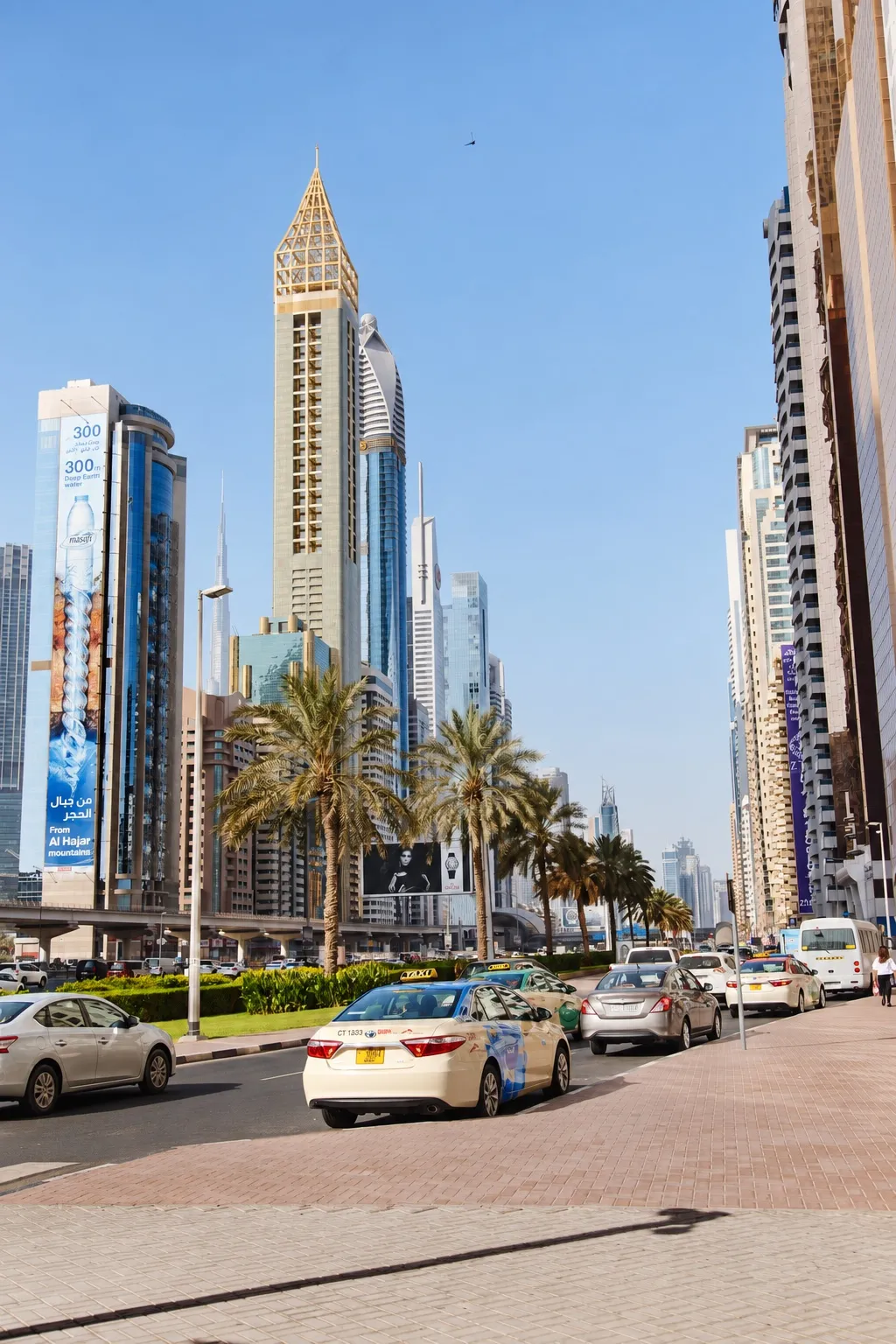 Dubai at street level. Context photograph by Sascha Bosshard / Unsplash; colour-graded and cleaned up.
The city already sits inside Aujla’s visual language
There is also a concrete precedent. Rolling Stone India reported in January 2024 that Aujla and DIVINE’s 100 Million, directed by Rupan Bal, was filmed across Dubai dunes and skyline interiors.
That example is more revealing than any broad claim about Dubai being “cinematic.” It shows that the city has already been used in Aujla’s work as a flexible visual vocabulary. The dunes give movement and openness. The skyline gives polish and aspiration. The interiors give another layer of finish. Together they make Dubai legible as more than a place name; it becomes part of how the artist’s world is presented.
That is why the current reported sighting feels consequential even without a confirmed release plan. It suggests that Dubai is not an occasional stopover for Aujla’s creative output. It is becoming one of the recurring settings in a larger artistic circuit that also runs through Punjab, Mumbai and Canada.
What the exchange between artist and city looks like
The relationship works in both directions.
For the artist, Dubai offers a location that can communicate movement, scale and a contemporary, transnational identity. For the city, an artist of Aujla’s profile brings visibility through audiences who already follow his work across South Asia and the diaspora.
That exchange is not easily reduced to a sponsorship calculation or a neat return on investment. It is more cultural than that, and more commercial than it first appears. A music video shot in Dubai can create visibility for the city in a broad sense, while also implying possible work for camera, lighting and location teams around the production itself. It is not the same as measurable tourism gains, and it is not evidence of a partnership. It is simply one way a city can enter the frame of a major release.
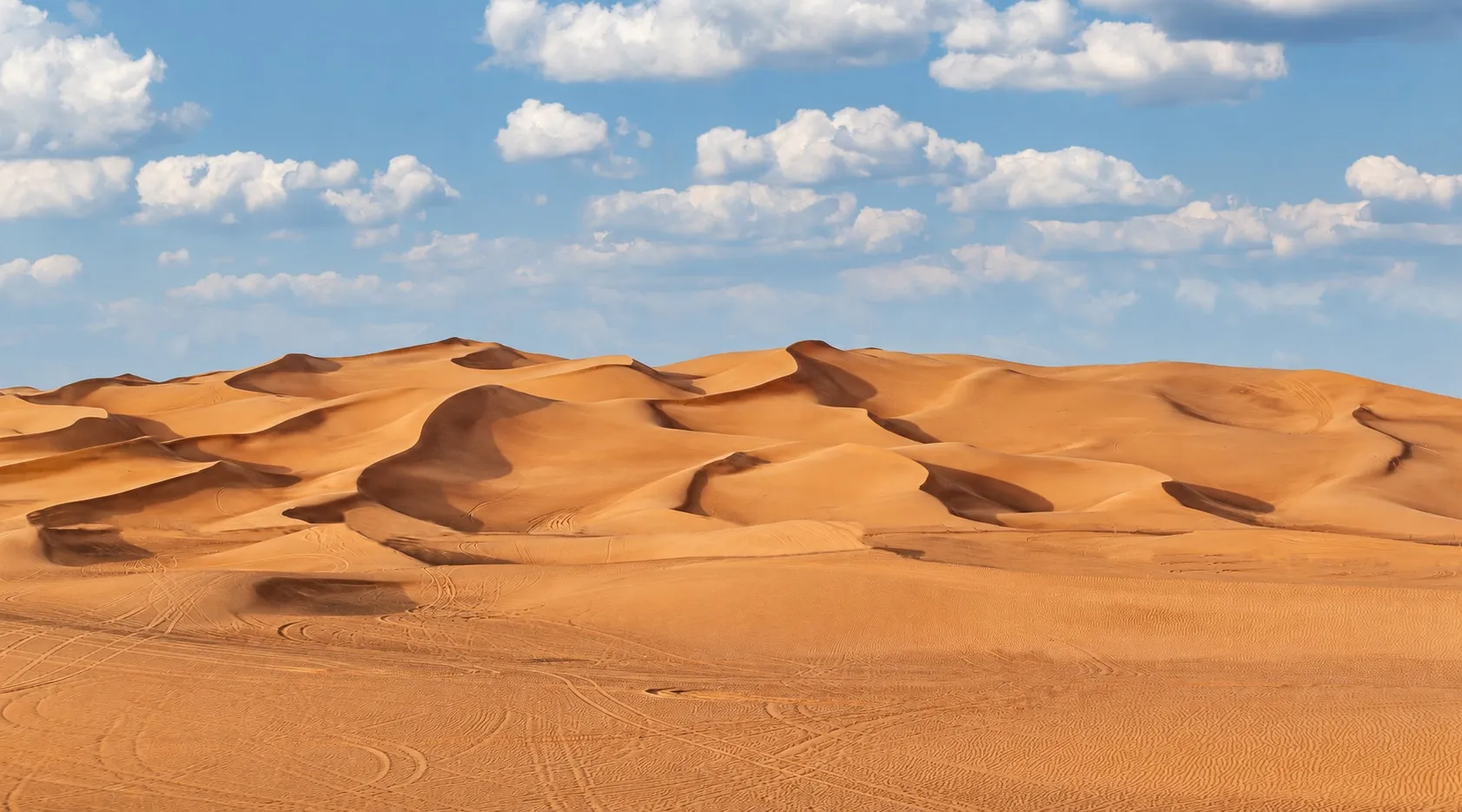 Lahbab’s dunes offer a different visual register from the city. Context photograph by Haris khan / Unsplash; colour-graded and cleaned up.
That is especially relevant in Punjabi pop, where visual geography has become a major part of the genre’s language. The audience is not only listening for a hook. It is also reading the locations, the styling and the movement between places. A Dubai street, a Mumbai reference point, a Punjab-rooted identity and a Canada-linked backstory can all sit in the same commercial imagination.
At the same time, India’s production networks and the cultural specificity of Punjab remain major strengths in their own right. Dubai may add another working location, but it does not replace the creative density, local recognition or narrative detail that South Asian artists continue to draw from at home.
Fan sightings now work like unofficial pre-release circulation
The reported Dubai sighting also says something about how music now circulates before a formal launch.
Fan sightings, short clips and reposts on X can quickly extend a rumour or a confirmed snippet into wider conversation. That does not automatically mean a deliberate leak. More often, it is the way anticipation builds in the age of fragmented social distribution.
For artists like Aujla, that early visibility has its own value. It keeps the project inside conversation without requiring an official teaser. It also lets location do some of the promotional work. A reported shoot in Dubai already tells audiences something about ambition, image and scale, even if the song itself has not yet appeared.
This is where the broader geography of Punjabi pop becomes visible. The artist may be rooted in one scene, living in another and shooting in a third, while the audience is dispersed across multiple markets. Dubai is one node in that circuit, not a replacement for Punjab, Mumbai or Canada.
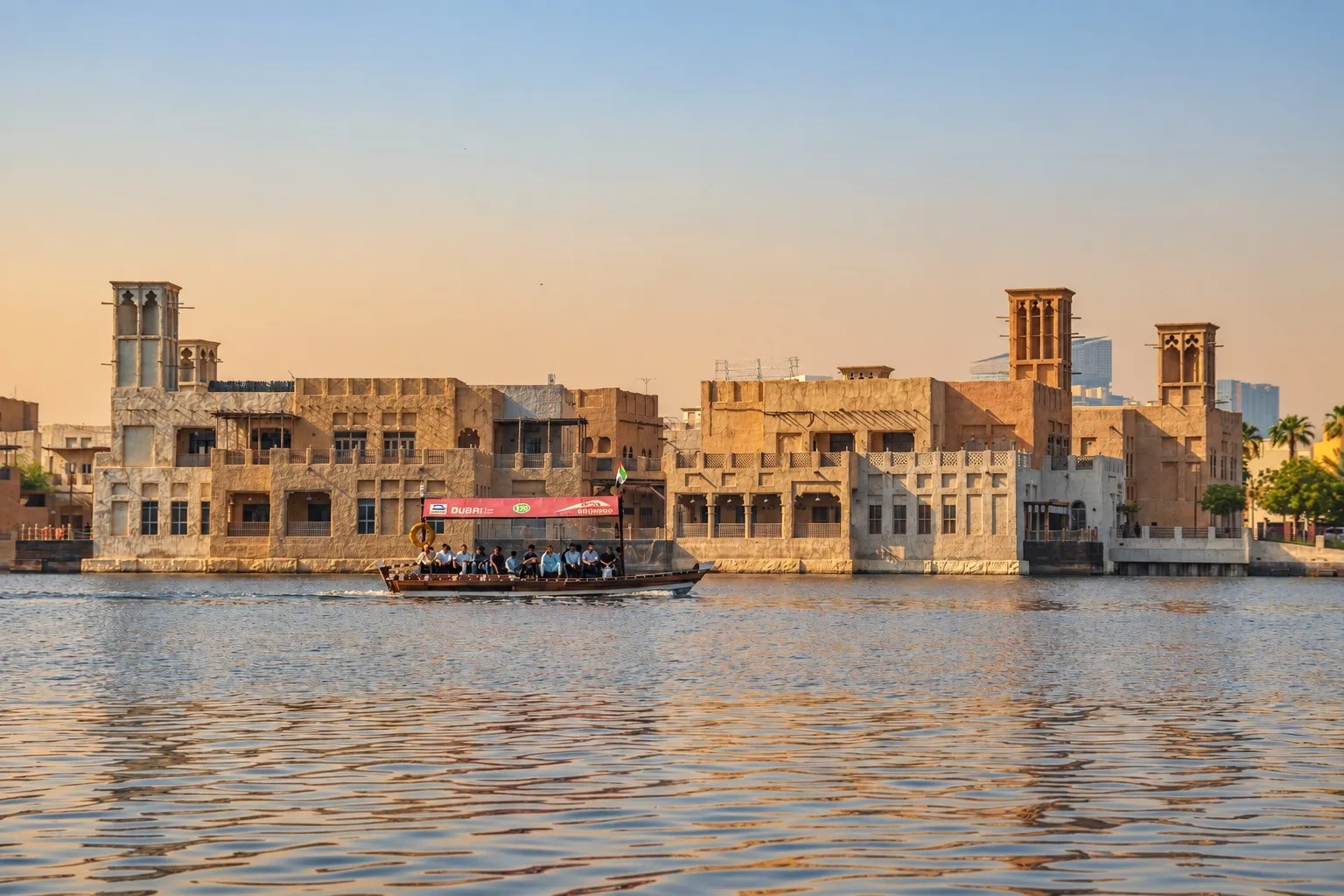 Dubai Creek adds another texture to the city’s visual identity. Context photograph by Walid A / Unsplash; colour-graded and cleaned up.
Why this sits inside a larger industry shift
What makes this moment interesting is not the celebrity spotting alone. It is the way it reflects how South Asian entertainment now moves across cities as a network rather than a single centre.
Punjabi pop in particular has become comfortable with that multi-city logic. Music, visuals, diaspora reach and urban branding all feed one another. A city like Dubai is useful because it can sit inside that loop without displacing the artist’s home geography or flattening the meanings that come from Punjab-based storytelling.
That also helps explain why Dubai keeps appearing not just in music videos, but in the public imagination around music production more broadly. It is seen as a practical and visible node for artists who already move between markets. It does not erase other production centres. It adds another layer to a wider regional map.
What to watch next
For now, the most responsible reading is simple: a reported shoot in Dubai is plausible, consistent and culturally meaningful, but still unconfirmed in its details.
If it does turn into an official video, the most useful things to watch will be the credits, the local collaborators and the way Dubai is treated on screen. Those details will say more than speculation about the song’s prospects ever could.
Hero photograph: Raimond Klavins / Unsplash, colour-graded and cleaned up. Photographs illustrate Dubai’s settings and do not document the reported Aujla shoot.