The UAE’s autumn live calendar is still anchored by Arabic pop — and that matters for the whole season
Even after a couple of high-profile cancellations, the confirmed lineup across Dubai and Abu Dhabi still points to a deep, commercially resilient live-entertainment market.

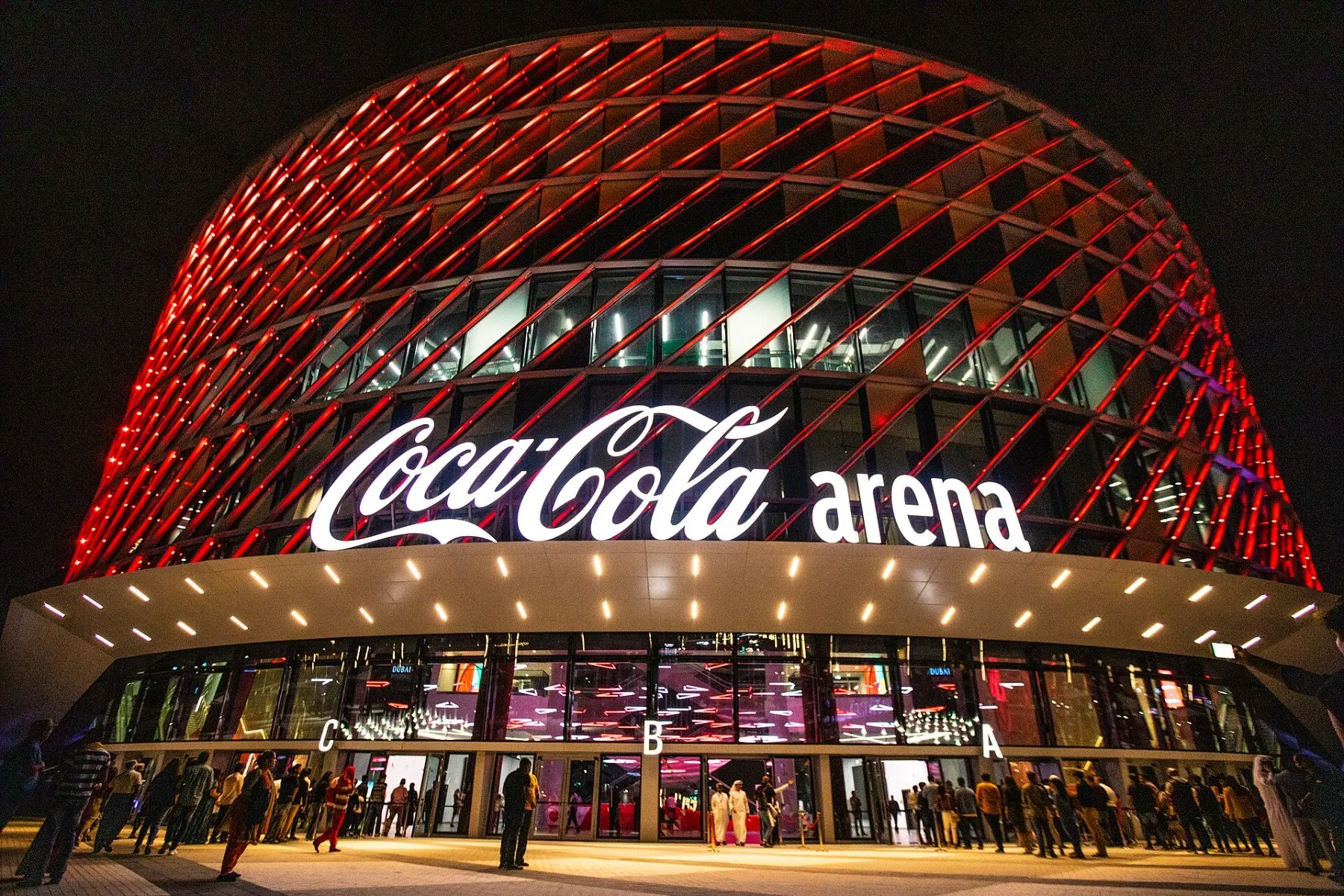
The most useful way to read the UAE’s autumn live-entertainment calendar is to start with the Arabic pop names. They are the clearest signal of what the market is really built around right now: a large local and regional audience, strong regional star power, and a venue network that can still deliver a busy season even after a couple of high-profile cancellations.
What stands out to me is how deliberate the mix feels. The calendar is not chasing one audience segment. It is built to serve Emirati and Arab fans first, while still leaving room for the rest of the international communities that shape the country’s cultural life every day. That is what gives the season its resilience. When the line-up is broad, the market can absorb setbacks more easily.
The Arabic pop spine
If I had to identify the core of the autumn season, it would be four names across two major venues: Najwa Karam, Nancy Ajram, Amr Diab, and Tamer Hosny with Tamer Ashour.
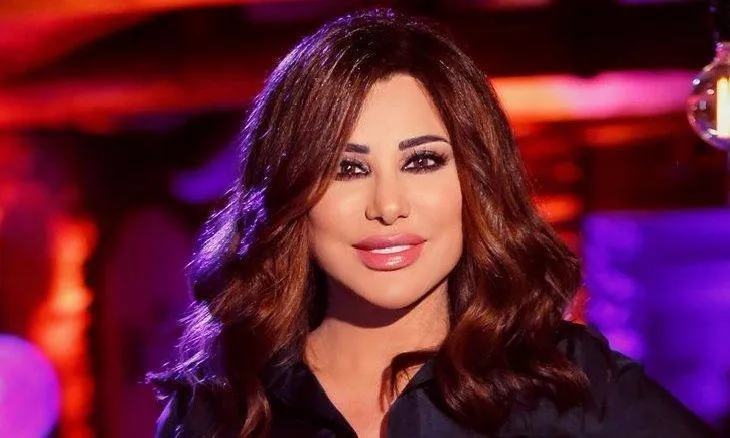

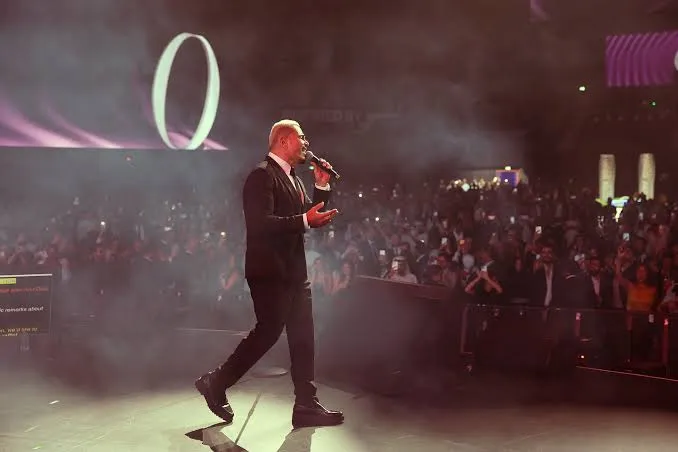
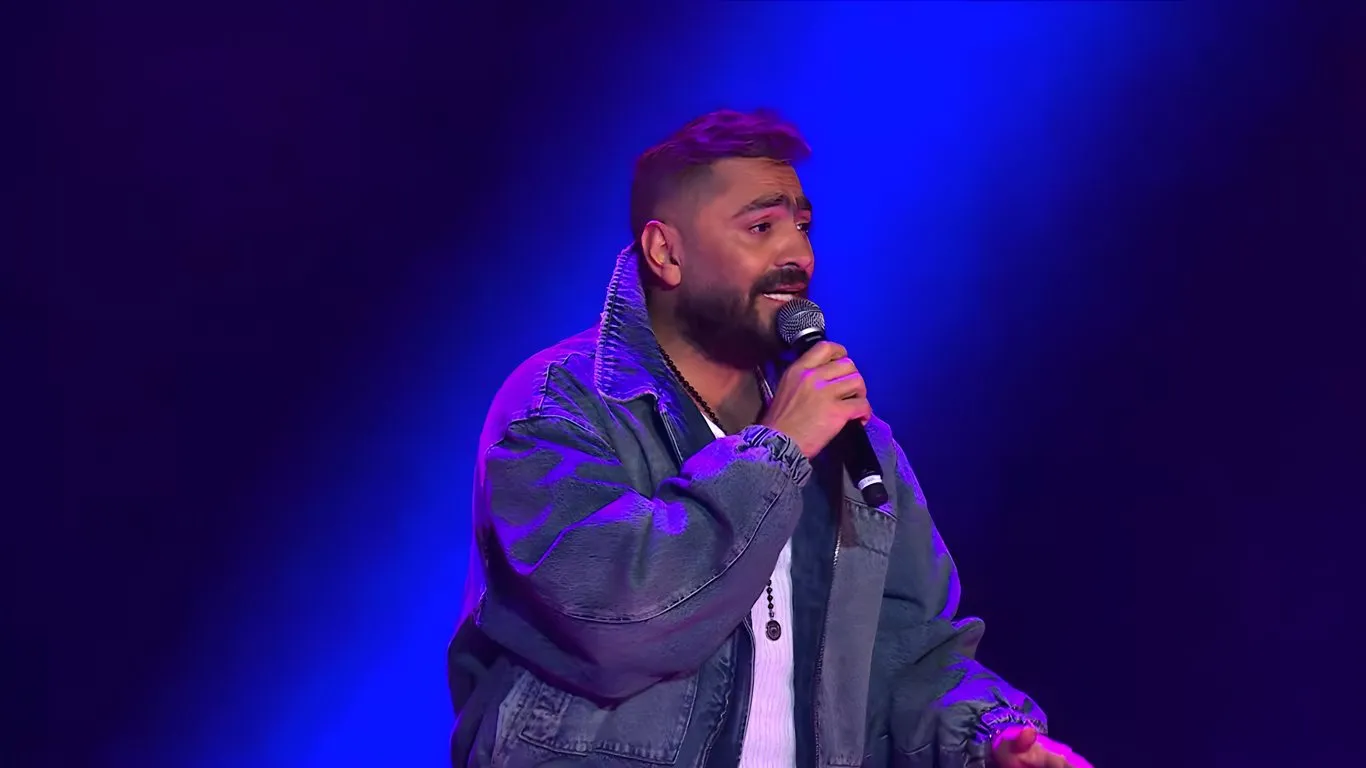
Najwa Karam’s show at Coca-Cola Arena on 2 October helps set the tone early in the season. Nancy Ajram follows at the same venue on 24 October, which reinforces the sense that Dubai remains a key stop for major Arabic pop touring dates. Amr Diab’s 7 November concert at Coca-Cola Arena gives the calendar another heavy-hitter before the year closes out, while Tamer Hosny and Tamer Ashour at Etihad Arena on 17 October add a strong Abu Dhabi counterpart to the Dubai programme.
That sequence matters. It creates a visible run of premium Arabic pop events across October and November rather than a single isolated peak. For residents, that means genuine choice. For visitors, it creates a stronger case for planning travel around a specific concert rather than treating live entertainment as an afterthought.
It also tells you something about demand. These are not niche bookings. They are the kind of shows that tend to define a season’s commercial momentum, especially in markets where fans are willing to plan early and act quickly when ticket windows open.
Comedy and crossover still broaden the market
The Arabic pop core is the anchor, but the rest of the programme matters because it turns a strong concert run into a broader cultural calendar.
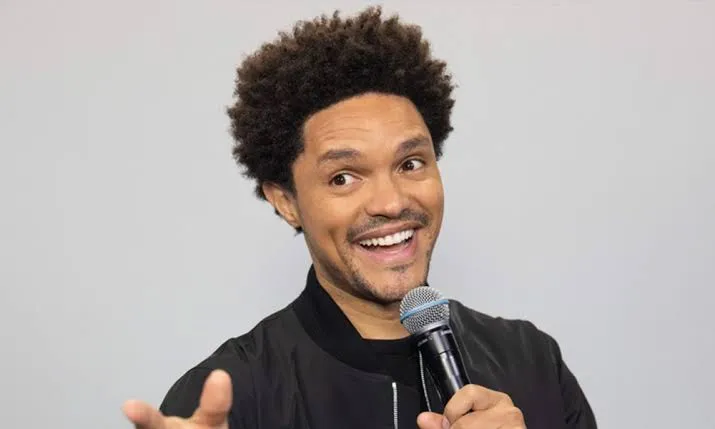
Trevor Noah’s four Dubai Opera performances on 25, 26, 28 and 29 November 2026 add a different kind of draw. The original two shows on 25 and 26 November sold strongly enough that two extra performances were added, which is a useful sign of appetite for comedy in the market. The continuation of Comedy Season helps sustain that momentum rather than letting the calendar narrow too quickly after the music-heavy stretch.
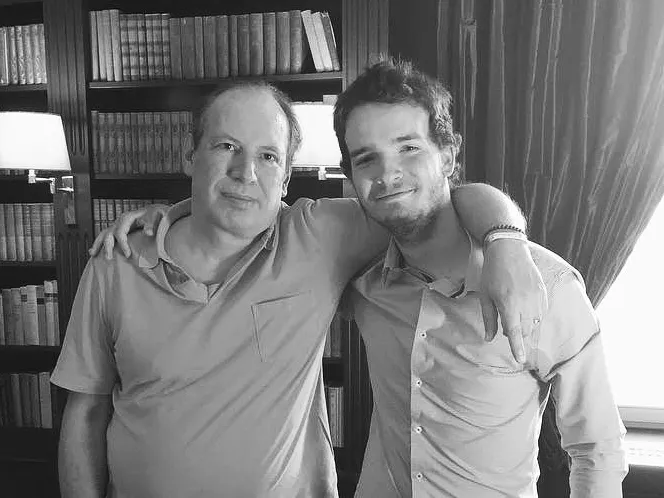
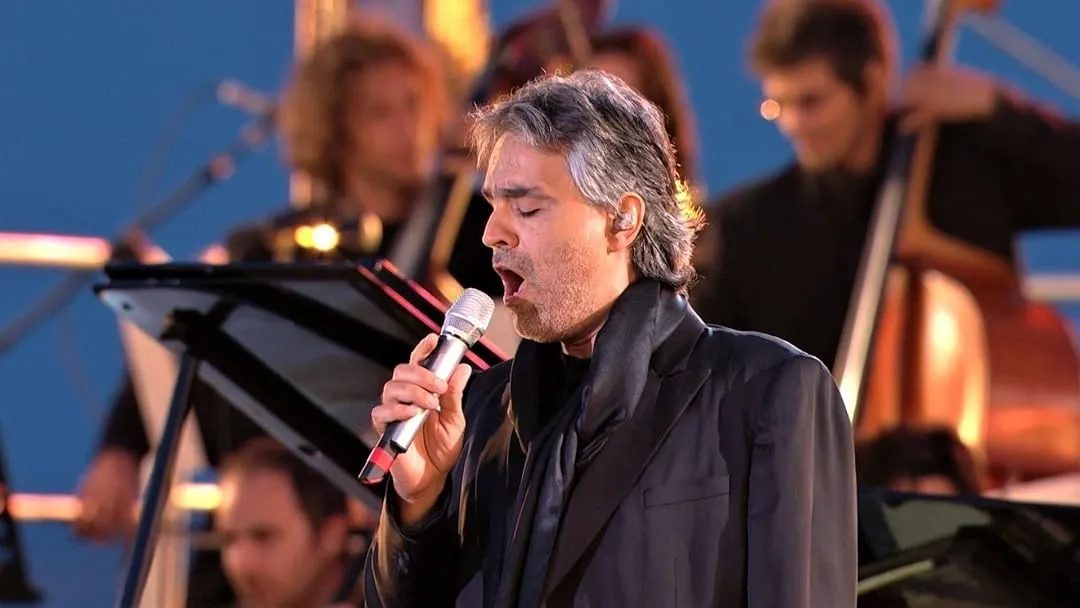
On the crossover side, Andrea Bocelli in Abu Dhabi on 2 December and Hans Zimmer at Etihad Arena on 13 November show that there is still room for classical and film-score programming to sit comfortably beside pop and comedy. That kind of range matters. It signals that the market is not dependent on a single format, and it helps keep the live scene attractive to different age groups and visiting audiences.
The multicultural layer is not incidental
The Filipino and South Asian bookings are not just extra programming. They are part of what makes the season feel representative of the cities it serves.
Late-August shows by Ely Buendia and Chito Miranda, followed by TJ Monterde and KZ Tandingan in October, point to the depth of the Filipino audience in particular. Add in the wider presence of Bollywood and Indian artists, and the pattern becomes clearer: Dubai and Abu Dhabi are not merely importing a global entertainment template. They are programming for communities that already live here, work here and build the daily demand that keeps venues active.
That breadth is important commercially, but it is also important culturally. A live calendar that only targets one segment would feel thin very quickly. A calendar that can move between Arabic pop, comedy, crossover, Filipino music and Indian performances feels more durable — and much more in tune with how these cities actually function.
What is worth booking now
If I were planning the season, I would focus first on the Arabic pop dates and the big comedy shows. Those are the bookings most likely to move quickly, especially at the larger venues.
The practical watchlist is straightforward:
- Najwa Karam, 2 October, Coca-Cola Arena, Dubai
- Tamer Hosny and Tamer Ashour, 17 October, Etihad Arena, Abu Dhabi
- Nancy Ajram, 24 October, Coca-Cola Arena, Dubai
- Amr Diab, 7 November, Coca-Cola Arena, Dubai
- Hans Zimmer, 13 November, Etihad Arena, Abu Dhabi
- Trevor Noah, 25–29 November, Dubai Opera
- Andrea Bocelli, 2 December, Etihad Arena, Abu Dhabi
I would treat those as the backbone of the season. The supporting acts and genre spread then make the bigger point: the UAE’s live market is still wide enough to stay interesting, even when individual events fall away.
A market that can still absorb setbacks
Recent cancellations were disappointing, but they do not change the broader picture. If anything, the rest of the calendar shows why the market remains attractive. A strong live-entertainment season is not defined by one headline show. It is defined by depth, sequencing and the ability to serve different audiences at once.
Right now, the autumn stretch across Dubai and Abu Dhabi has that depth. The Arabic pop lineup gives it commercial weight. The comedy and crossover acts give it variety. The multicultural bookings give it legitimacy. Together, they suggest a live scene that is still resilient — and still worth planning around.