At.mosphere Makes High Tea Feel Like a Destination, Not a Detour
The Burj Khalifa venue combines the ritual of afternoon tea with a sense of occasion that starts in the elevator and lingers in the cup.

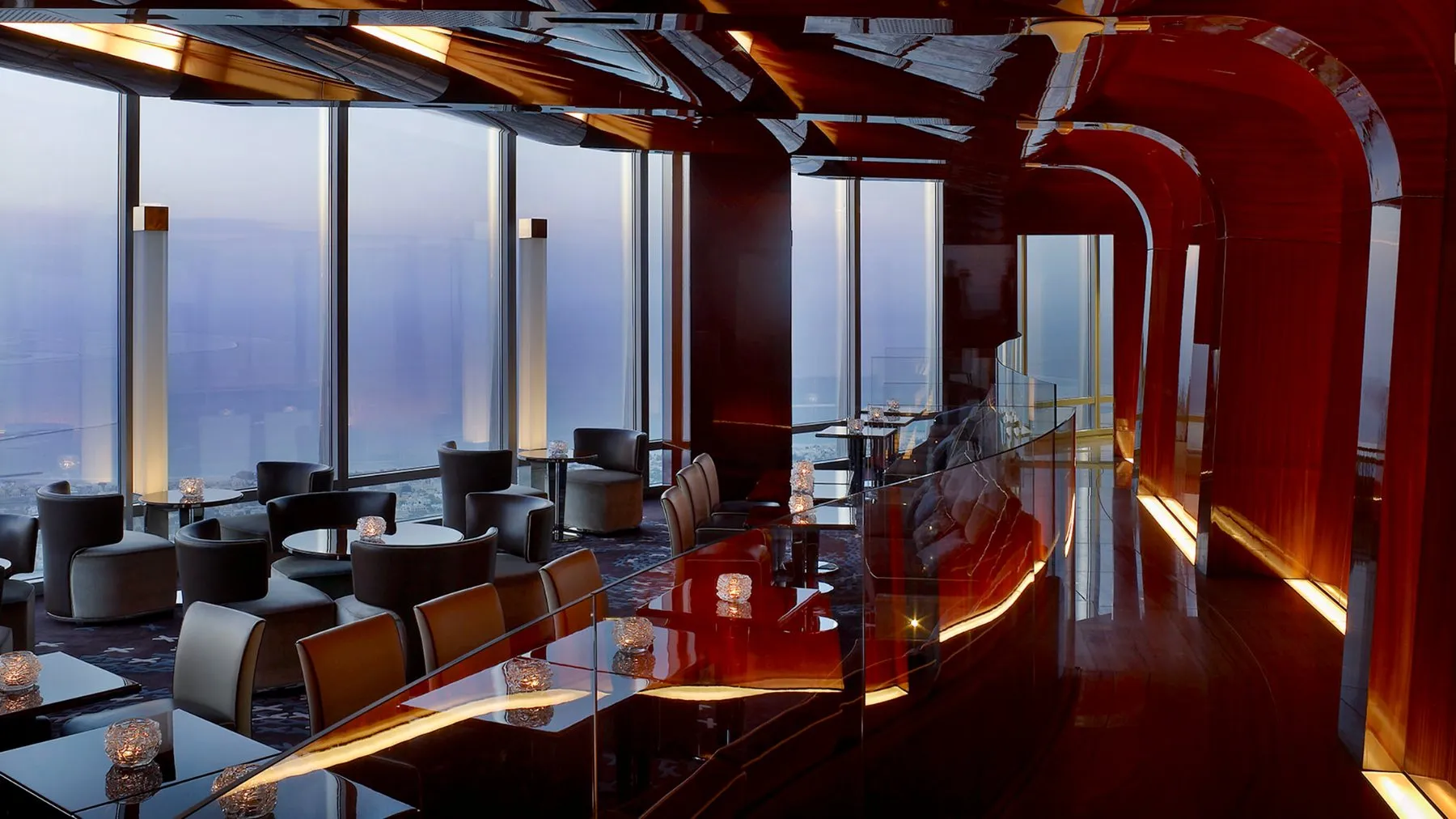
A tea service that begins before the first sip
At.mosphere Burj Khalifa is one of those places where the journey is part of the product. Whether I entered through Armani Hotel Dubai or via the venue’s own dedicated entrance, the experience immediately felt staged for anticipation. The elevators alone set the tone: fast, precise, and dramatic enough to make the ascent feel like an event rather than a transfer.
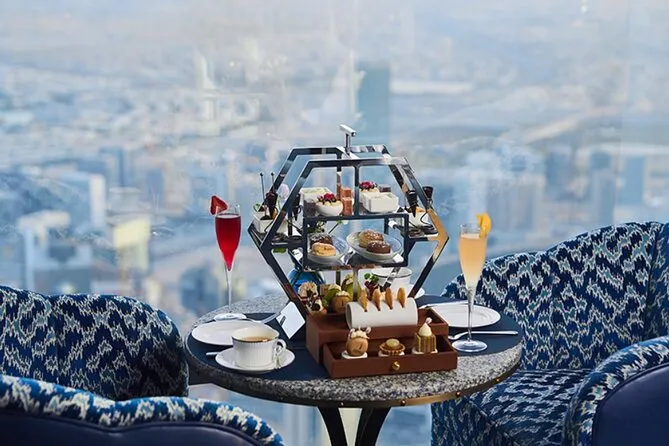
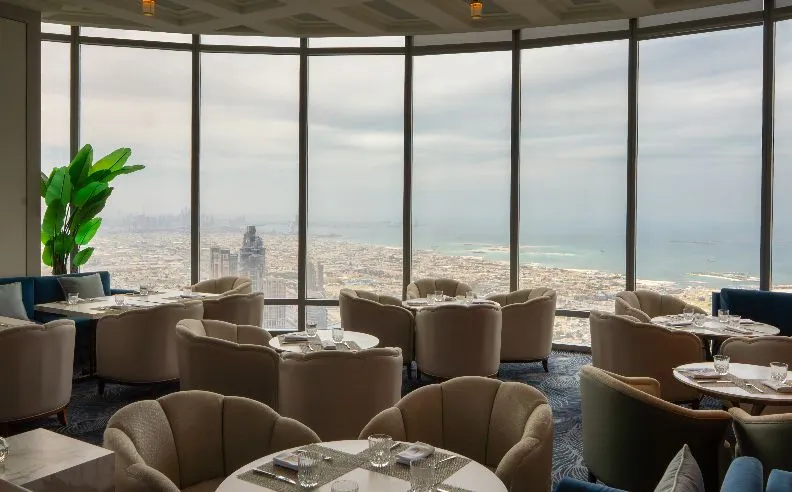
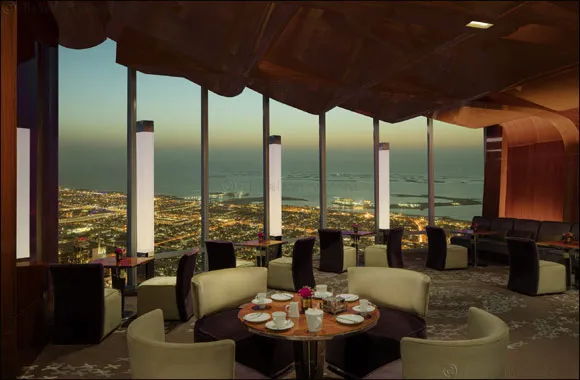
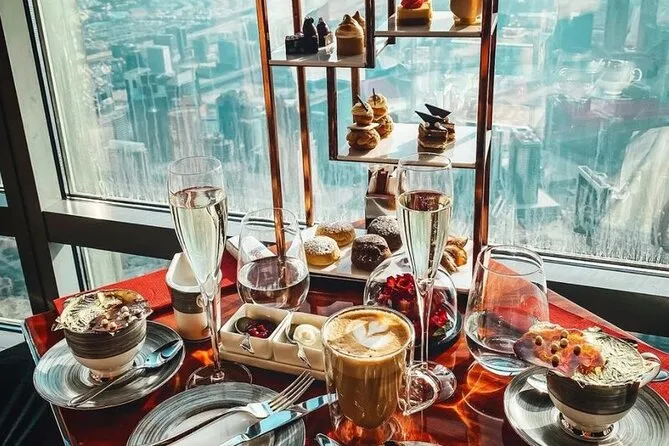
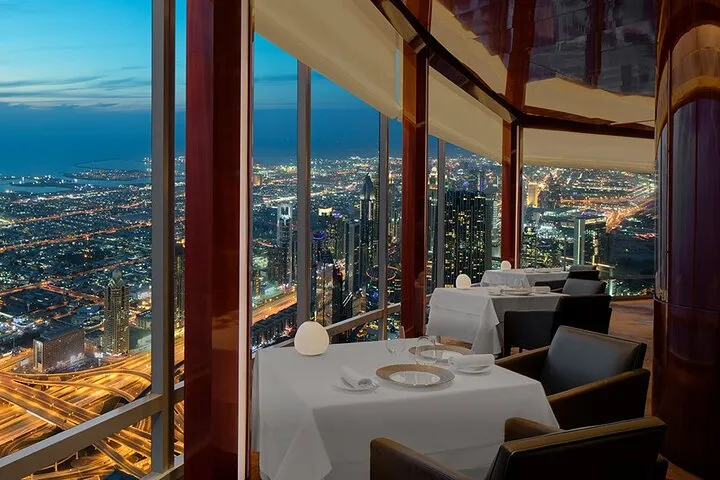
That matters, because high tea is as much about atmosphere as it is about what arrives on the table. In Dubai, where premium dining often competes on scale, views, and spectacle, At.mosphere understands that the first impression begins long before service does.
The view is the headline, but it is not the whole story
The obvious attraction is the setting. From so high up in Burj Khalifa, the city reads differently. Dubai looks less like a map of familiar roads and towers and more like a carefully arranged skyline. That sense of elevation gives the tea service a natural theatricality.
But what stayed with me was not only the panorama. It was the way the experience combined that view with a level of detail that felt deliberate. The food was exceptional, but the most distinctive element was something more specific: At.mosphere’s own TWG tea blend, available only there.
That detail does a lot of work. A signature tea blend is a small thing on paper, but in practice it gives the venue a point of distinction that goes beyond location. Anyone can offer afternoon tea with a skyline. Fewer places can make the tea itself feel tied to the address.
Why signature details matter in luxury hospitality
In premium hospitality, differentiation is often hardest to maintain when the category itself is crowded with polished surfaces and familiar menus. A guest may remember the view, the service, or the journey up, but the experiences that last are usually the ones with a specific detail that could belong nowhere else.
At.mosphere seems to understand that. The venue’s appeal is not based on one dramatic feature alone. It is the accumulation of elements:
- the arrival sequence
- the speed and height of the ascent
- the framing of Dubai from above
- the quality of the food
- the exclusivity of the tea blend
Together, these turn a familiar format into something more curated. Afternoon tea becomes less about tradition in the abstract and more about how a venue interprets tradition for its own setting.
A reminder that “iconic” has to be earned
It is easy to call a place iconic when it sits inside one of the world’s most recognizable buildings. What makes the experience more convincing is that it lives up to the architecture around it.
In my experience, At.mosphere succeeds because it does not rely on the Burj Khalifa address as a shortcut. The venue uses that setting to create a stronger sense of occasion, then reinforces it with service details and a tea offering that feels intentionally developed for the space.
That combination is what luxury hospitality should aim for: not just visibility, but memorability.
The food was exceptional, although what remained with me was their At.mosphere-only TWG tea blend — something you can only taste there.
The lasting impression
What I took away from At.mosphere was not simply that it offers a view of Dubai from above. It was that it turns a standard hospitality ritual into a destination in its own right.
For travelers and residents alike, that is the real value of a place like this. It offers something recognizably premium, but also something that feels specific to the venue. In a city where new openings constantly raise the bar, that kind of specificity is what helps a hospitality experience stay in the memory after the table is cleared.