Luxury hospitality in the Gulf is moving beyond service towards access
Kempinski’s E.R.A.s concept points to a new competitive edge: hotels that can unlock people, places and stories guests would struggle to reach on their own


Kempinski’s new E.R.A.s concept, short for Experience Real Access, caught my attention because it points to a bigger shift in luxury hospitality. For years, the category has largely competed on the quality of the room, the polish of the service and the reliability of the concierge. Those things still matter. But they are no longer enough on their own.
What feels more compelling now is the idea that a hotel can offer something harder to copy: meaningful access to a destination.
That is a subtle but important change. A guest can book a beautiful suite almost anywhere. What they cannot easily replicate is an introduction to the right local craftsperson, a private encounter with heritage that is usually hard to reach, or a curated experience shaped by people who actually know the place beyond the standard itinerary.
Kempinski’s Munich launch is useful as a starting point because it shows how this idea can be packaged as part of a luxury proposition. The examples stood out not simply because of their exclusivity, but because they were built around access to people, places and stories that are normally difficult to reach.
In Munich, that access includes experiences built around Bavarian royal history, local craftsmanship and encounters with notable local figures. Guests can, for example, explore royal heritage with historians connected to the Wittelsbach dynasty or take part in a masterclass with artisans from the Nymphenburg porcelain manufactory.
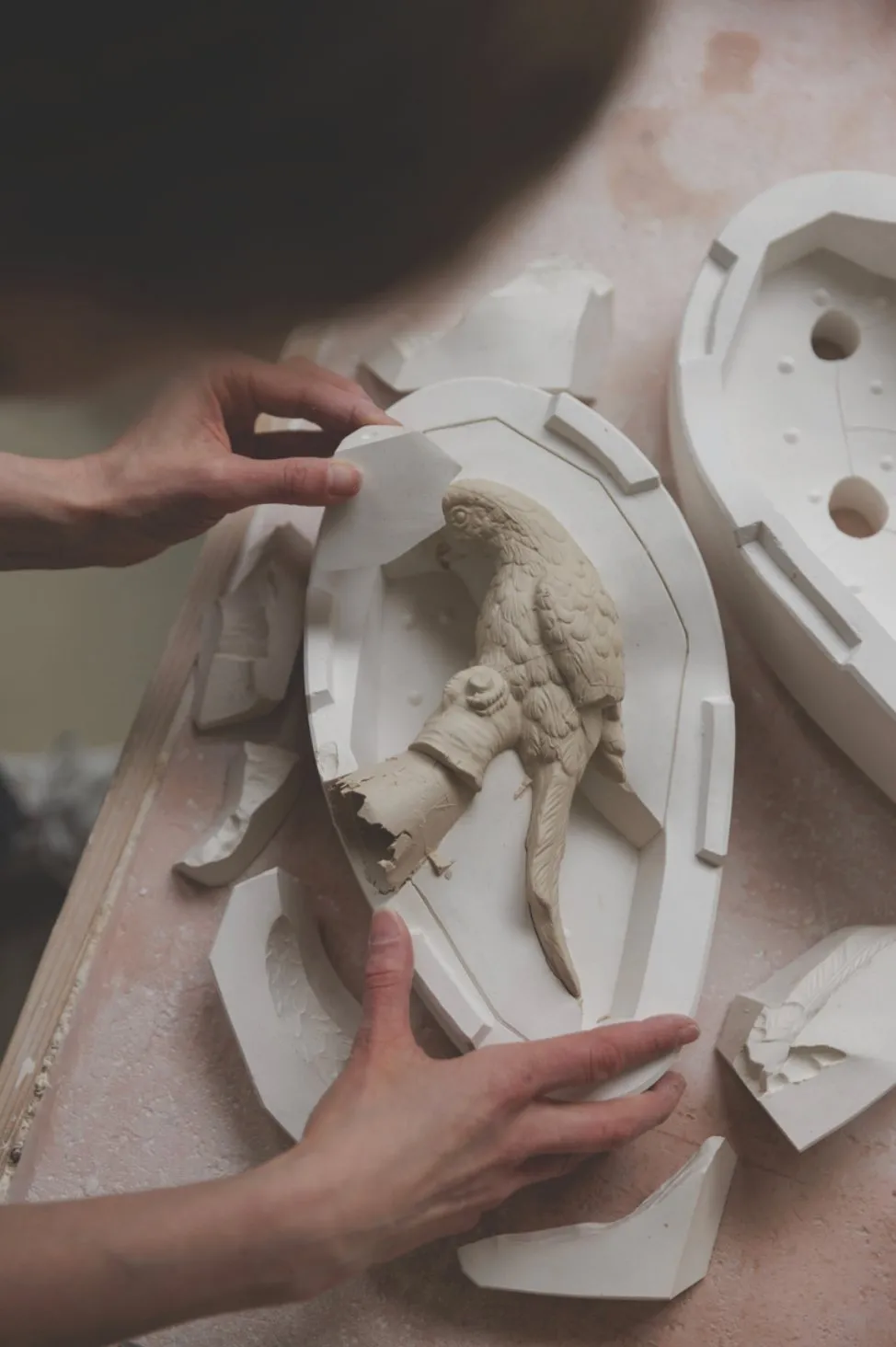 Kempinski’s E.R.A.s concept includes access to local craftspeople and destination-specific experiences. Image supplied by Kempinski.
Importantly, Kempinski is not presenting this simply as an expanded concierge menu. The concept is built around a Resident Curator whose relationships with local insiders are intended to give guests deeper access to the destination.
“The hotel is no longer a refuge from the city, but the gateway into it.” — Barbara Muckermann, Group CEO, Kempinski
Why this matters in Saudi Arabia
Saudi Arabia feels like a strong test case for this model.
Luxury hospitality is expanding alongside a broader effort to turn culture, heritage and natural landscapes into distinctive visitor experiences. That creates both an opportunity and a challenge. The opportunity is obvious. The country has no shortage of compelling stories, places and traditions that can elevate a stay. The challenge is that hotel experiences can still package a destination through fairly conventional tours and itineraries.
Those offerings have their place, but they often stop at convenience. That matters because, for many high-end travellers, the appeal increasingly lies in experiences that feel specific to the place they are visiting.
In a market like Saudi Arabia, that difference matters. Hotels are well placed to curate experiences rooted in local relationships, but only if they move beyond the idea that experience is something to be scheduled in a standard way.
The real test is authenticity
This is where many brands will need to be careful.
It is easy to talk about access. It is much harder to create it in a way that feels authentic rather than packaged. Guests can usually tell the difference between a genuine connection and a neatly branded add-on.
For Gulf hospitality brands, that means the model cannot just be copied and pasted. It has to be built from the destination outward. The strongest programmes will likely be the ones rooted in local relationships, with experiences developed in conversation with the people who already shape the cultural life of a place.
That also means hotels will need to think differently about their role. They are not only hosts; they can become curators, introducers and interpreters. In practice, that requires trust, local credibility and an ability to make connections that would otherwise be difficult for a visitor to arrange independently.
The upside is significant. Done well, this kind of hospitality can create a stronger sense of place, deepen guest loyalty and differentiate a property in a crowded market. It can also support the wider destination economy by directing attention to local talent and local stories rather than only to the hotel itself.
A broader shift in what luxury means
What I find most interesting about E.R.A.s is that it reflects an evolving definition of luxury. Luxury is no longer only about exclusivity in the traditional sense. It is increasingly about access, insight and proximity to something real.
That is especially relevant in the Gulf, where the most memorable experiences are often those that help a visitor understand a place more deeply. The hotel that can open that door has a stronger proposition than the hotel that simply offers a smoother version of the familiar.
If Saudi Arabia continues to grow as a destination for high-end travel, I expect this question to become more important: which hotels are merely accommodating guests, and which ones are truly connecting them to the destination?
That distinction may end up defining the next stage of luxury hospitality in the region.
Kempinski’s E.R.A.s experiences are currently available to guests at Hotel Vier Jahreszeiten Kempinski Munich. The company says the concept will later expand across its portfolio, with Augustine Hotel Prague among the next properties expected to introduce it.
ㅤ ㅤ
Editor’s note
This article was inspired by a press release shared by Burson on behalf of Kempinski. The perspective and Gulf-focused analysis were editorially developed by The New Gulf Playbook.