Saudi Hotels Need a Plan B Concierge Before the Next Big Weekend
A Qiddiya discussion points to a practical hotel opportunity: help guests adapt when the attraction they travelled for changes its plans.


A weekend needs more than a room
A September 7 Reddit post about a Qiddiya visit is the right place to start because it shows the issue plainly. The poster said they travelled for Falcon’s Flight and found it closed. In the replies, people discussed late September and early October visits, and a Sept. 24 reply said Falcon’s Flight was running. Those are all self-reports, not independent verification, and they do not tell us the current status of the attraction. They do show how quickly a trip can become a planning exercise around uncertainty.
That is the practical opening for hotels. My view is that a hotel near an anchor attraction could offer a simple Plan B concierge process for weekends built around one major outing. I do not mean an elaborate new department or a market standard that already exists everywhere. I mean a defined hotel workflow that helps guests adapt when the plan changes after they have already booked the stay.
The reason this feels timely is that the discussion thread was not only about what happened on one visit. It was also about future visits. People were already using the thread to compare late September and early October plans. That is the kind of behaviour hotels should design for: not just the guest who arrives with a fixed itinerary, but the guest who wants reassurance that the trip still works if the headline activity does not.
What the hotel can actually do
A Plan B concierge should stay close to operations, not marketing. It should be a clear internal process with a small number of owners and a few service rules that guests can understand.
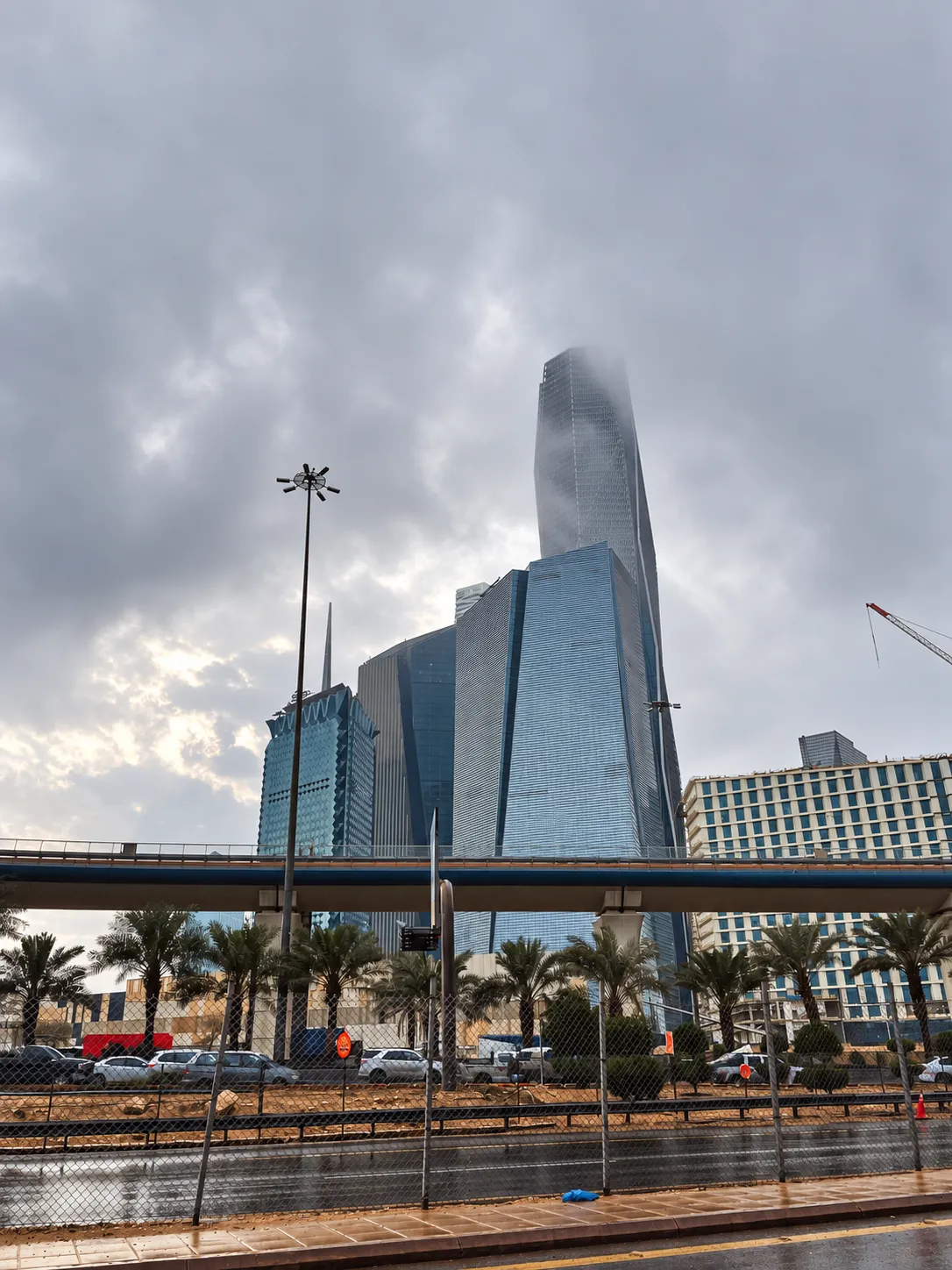 Riyadh: the practical journey matters alongside the destination. Edited photograph: Mohammed Alqarni / Unsplash.
The simplest version would look like this:
- An optional pre-arrival question asks the guest what the anchor activity is.
- The duty manager owns a timestamped list of alternatives.
- The front desk confirms availability before anything is booked.
- The guest keeps control of the decision and the spend.
That last point matters. If the hotel suggests an alternative, it should not quietly turn that suggestion into a surprise charge. The guest should know the price, cancellation terms and availability before agreeing.
I would also keep the language human. Rather than promising any kind of uptime guarantee for an attraction the hotel does not control, the hotel can say the information was checked at a certain time and may change. That is more honest and more useful.
The service design
The point of the process is not to eliminate change. It is to reduce the number of decisions the guest must make after a change.
A useful Plan B concierge would include four practical steps:
-
Identify the anchor activity early The hotel asks the guest, before arrival, what the trip is built around. That could be an attraction, a concert, a sporting event or a family outing.
-
Check the relevant information close to arrival The duty manager or front office team uses official sources where possible and records the timestamp of the last check. If the hotel shares guidance, it should be clear that the information was current at a specific time, not a promise that nothing will move.
-
Prepare two fallback options The alternatives should be matched to the guest’s likely budget and schedule. One should be lower-cost, one should sit closer to the original spend, and both should include transport back to the hotel.
-
Let the guest choose The hotel should not push a paid upsell when the guest is trying to rescue the weekend. It should present the options and let the guest decide what to buy.
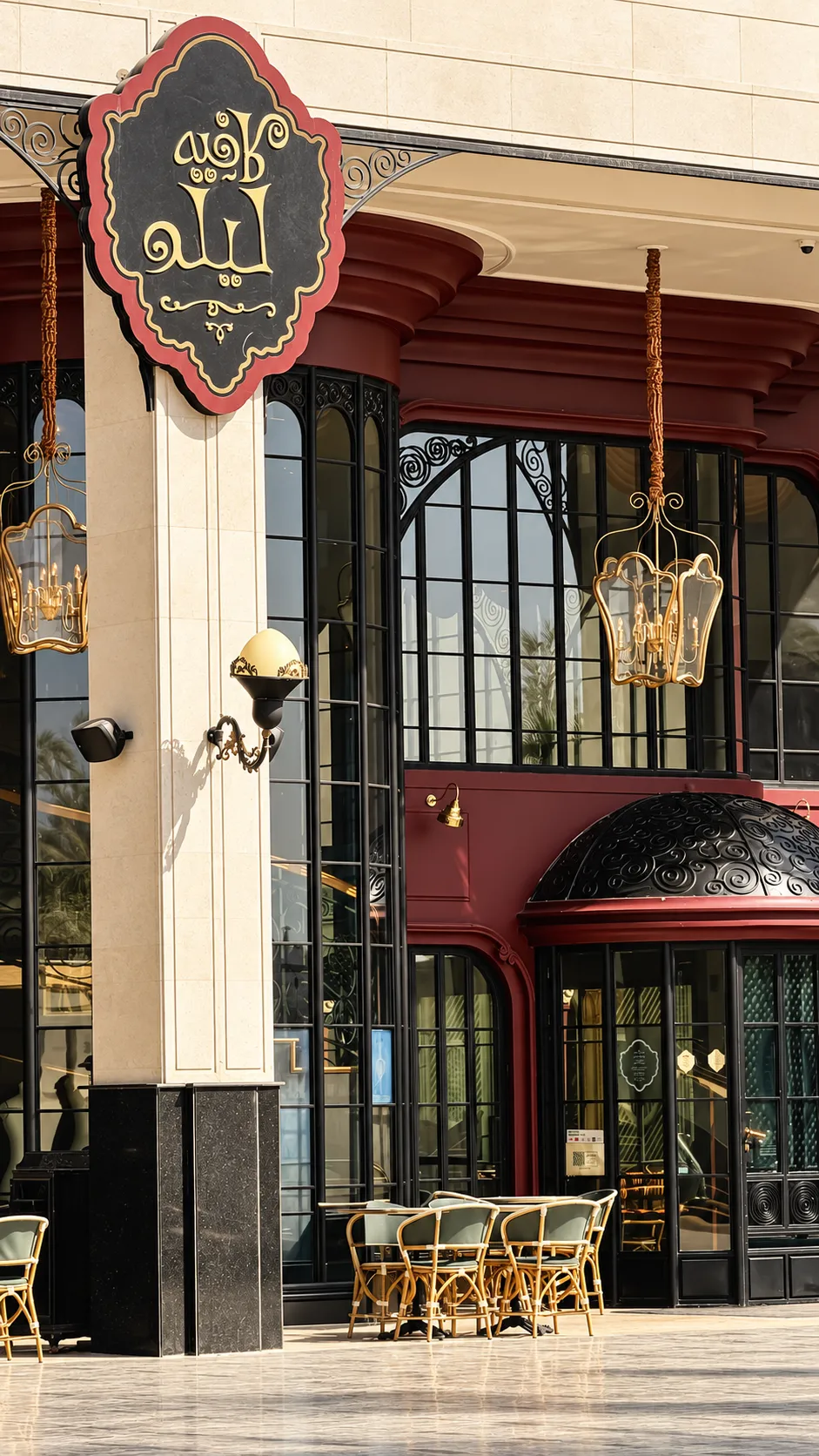 Dining can form part of an alternative itinerary, subject to availability. Illustrative city photograph; no partnership implied. Edited photograph: abdullah ali / Unsplash.
This is where the process becomes more than a courtesy call. It is a way to keep the stay coherent even when the original plan is less certain than expected.
What this does not claim
I do not want to overstate the market case. The Reddit thread is useful because it shows planning behaviour, not because it proves a broad trend on its own. The Wego signal is also narrow. A Wego update said its own Riyadh hotel-search demand was up 44% in July versus June. That is platform search demand only. It is not occupancy, and it is not enough to prove what the wider market is doing.
So my hypothesis is modest: hotels near attraction-led demand could benefit from a clearer recovery process when guests are building a weekend around one headline plan. That is a design idea, not a proven industry shift.
A small pilot worth trying
I would test this with a limited pilot rather than a full rollout.
The pilot could allocate the Plan B concierge offer across comparable bookings where feasible: similar room type, similar lead time and similar trip purpose. The hotel would then log which bookings actually faced a disruption, which used the fallback process and which did not.
The right measures are operational first:
- Cost to serve: what staff time and transport support the process requires
- Resolution time: how quickly the hotel helps the guest settle on a new plan
- Guest satisfaction: whether guests who used the process rated the stay differently from similar guests who did not
 A workable alternative also needs a workable way back. Edited photograph: Abram / Pexels.
I would be careful with interpretation. Satisfaction comparisons alone do not prove causation. A better outcome in one group could reflect many things besides the process itself. That is why the pilot should compare like with like where possible and keep the reporting disciplined.
I would also avoid revenue promises. If the hotel later sees stronger ancillary spend or repeat booking behaviour, that would need to be demonstrated, not assumed. The point of the pilot is to establish whether the service is genuinely helpful and manageable for staff.
Why this is a hotel job
The attraction may be the reason for the trip, but the hotel is the part of the trip that still has agency after plans change. That is why this process belongs in hospitality rather than in a separate travel desk or a loose service promise.
A guest who books a weekend around one major outing is not asking the hotel to control the outside world. The guest is asking for a stay that still makes sense if the outside world shifts. A Plan B concierge is my answer to that problem: a short pre-arrival question, verified alternatives, clear pricing and transport, and a guest-led decision at the end.
That is the process I would build first.
Hero photograph: Saif Al Dhaher / Unsplash, edited. Photographs illustrate Riyadh settings; they do not document the reported Qiddiya visit.