Beyond the Expo Floor: Where LEAP Visitors Can Unwind in Riyadh
From Diriyah and Al Masmak to KAFD and Via Riyadh, these are the places I would point LEAP visitors toward when the day’s meetings end.

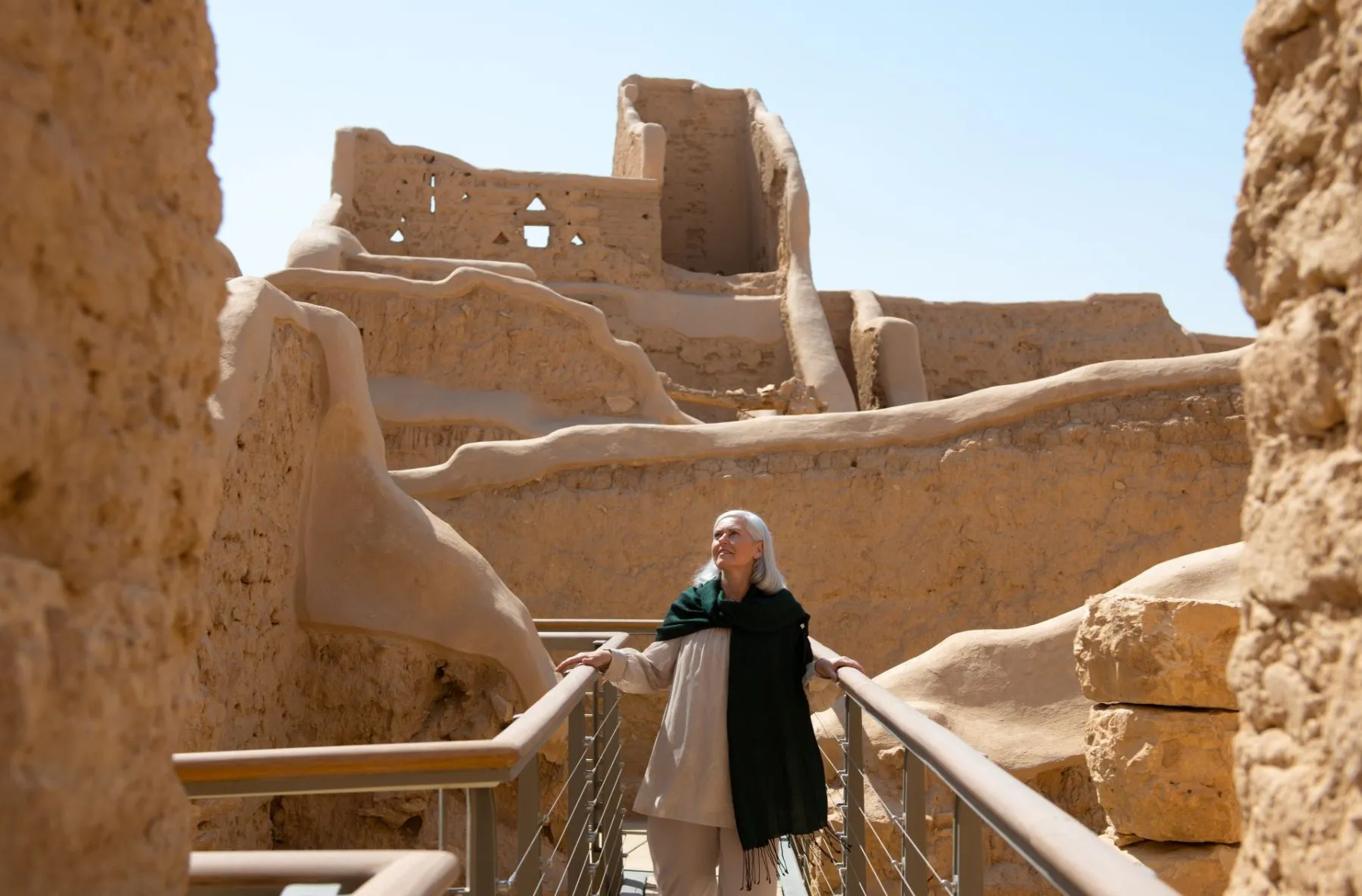
When LEAP brings business travelers, guests, and visitors into Riyadh, the conversation usually starts with meetings, schedules, and the logistics of getting around the city. But in my experience, the real advantage of being in Riyadh for a major business week is what happens after the day’s programming ends.
If you’re also deciding where to base yourself, the best hotels for LEAP visitors can help narrow the choice.
The Saudi capital has a wide enough range of places to let a visitor reset. Some are deeply rooted in the city’s history. Others reflect the newer, more polished side of Riyadh that has emerged around dining, walking, and contemporary urban life. If you are in town for LEAP and want to use your time well, these are the places I would add to the list.
Diriyah: the most complete cultural stop
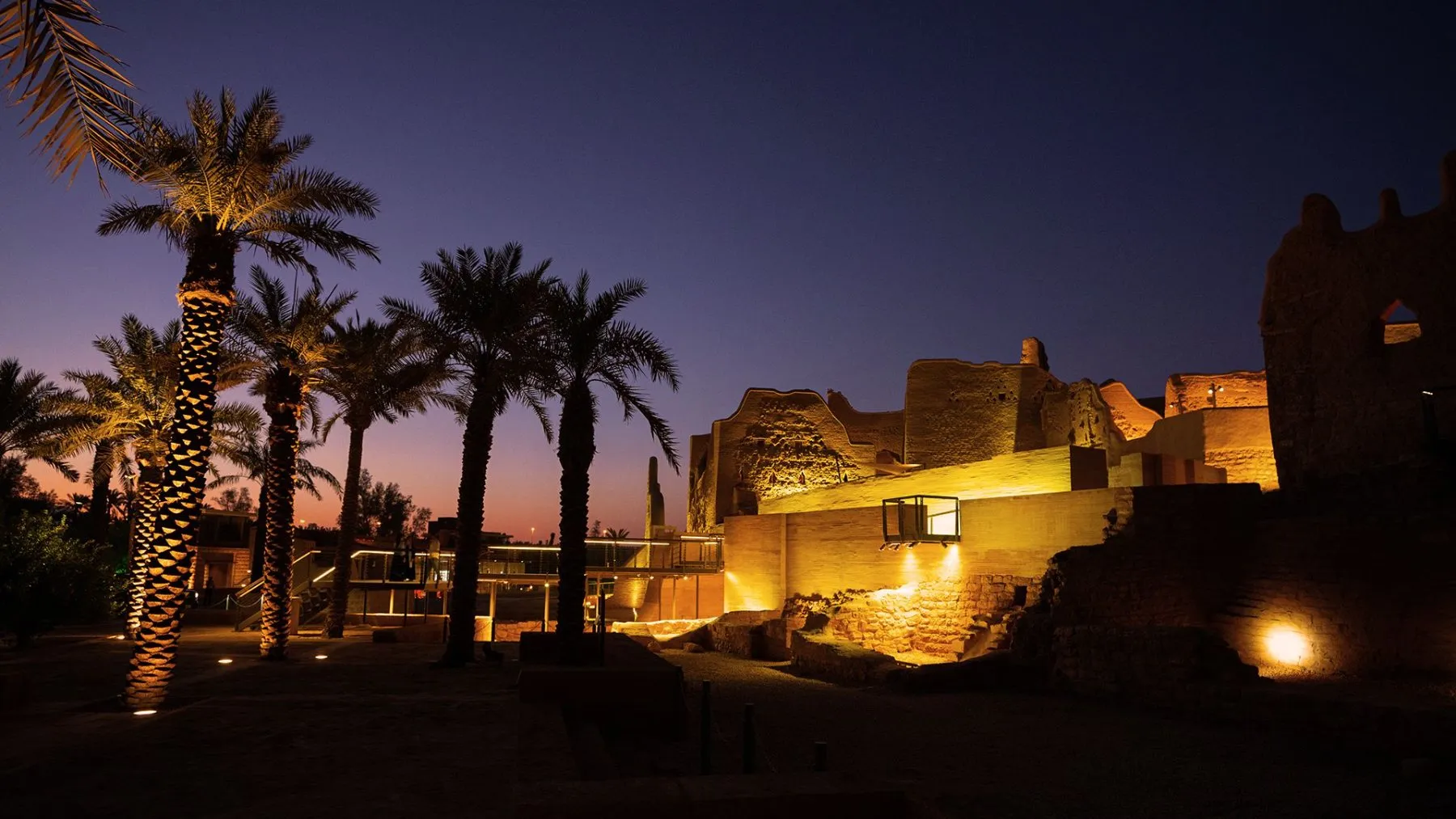
Diriyah is the obvious starting point for anyone who wants to understand the city beyond its business districts. It offers a sense of place that feels especially useful for visitors who have only a short window in Riyadh.
What makes Diriyah work is the balance between atmosphere and access. It is not just a heritage destination in the abstract; it is a place where you can slow down, walk, and feel that you have stepped into a different layer of the city. Al Bujairi, in particular, gives the area a more relaxed rhythm and makes it an easy recommendation for an evening visit.
Al Bujairi Terrace adds another reason to stay longer. It is one of the most enjoyable parts of the Diriyah experience for visitors who want a place to sit, eat, and take in the setting without losing the sense of heritage around them. It feels designed for unhurried evenings, with a mood that suits both casual visits and more polished plans after a full day at LEAP.
Al Turaif is the historic heart of Diriyah and one of the most important heritage sites in the Kingdom. It is listed on the UNESCO World Heritage sites, which reflects its significance as the original seat of the Al Saud dynasty and one of the key centers in the story of the Saudi state. For visitors, that makes Diriyah more than a scenic stop; it becomes a place to understand the country’s political and cultural foundations in a very direct way.
For LEAP visitors, Diriyah is the kind of place that can turn a packed itinerary into something more memorable. It is where Riyadh’s identity becomes easier to read.
Al Zal Old Market: a direct link to local life
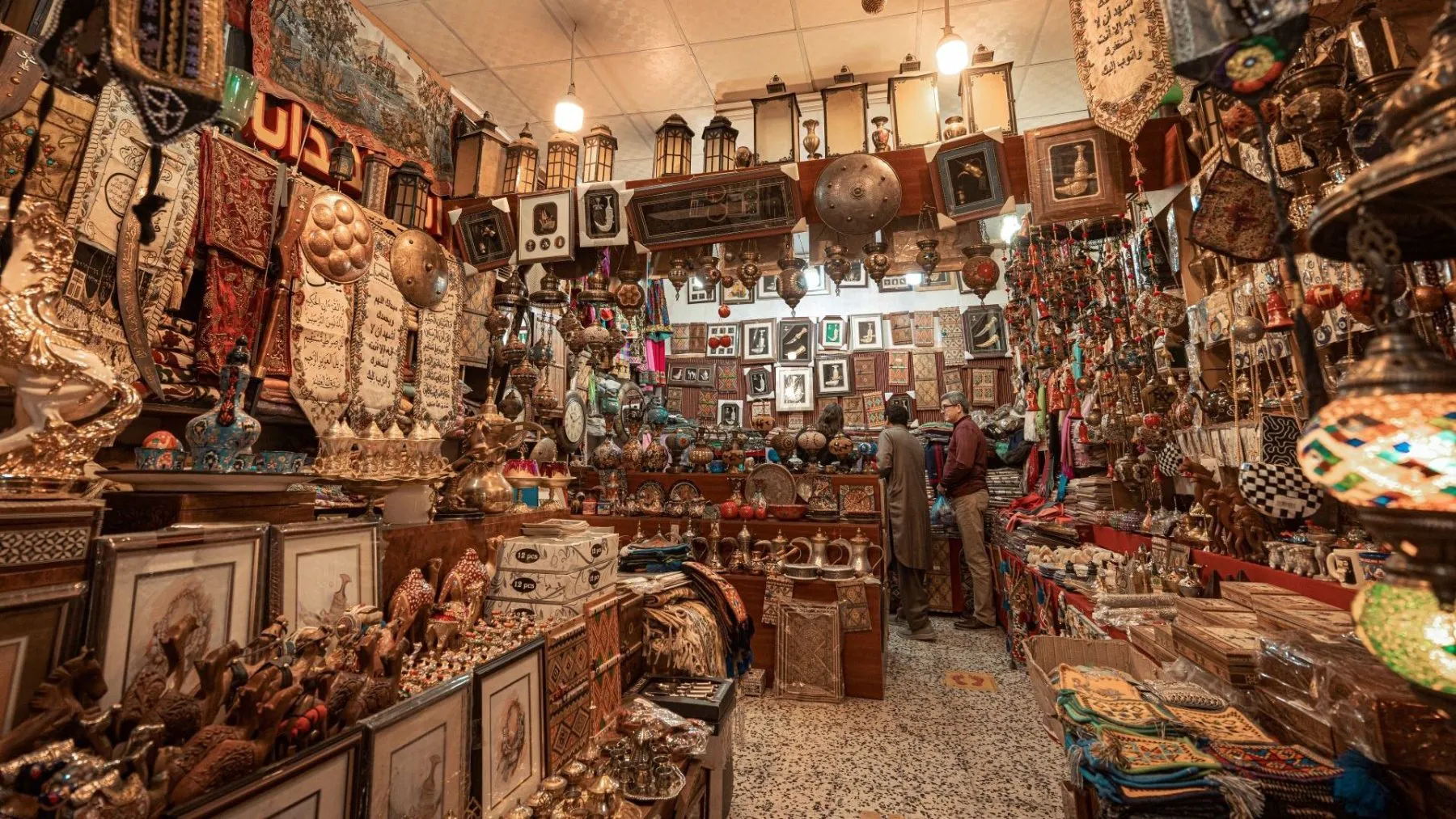
If Diriyah gives you a broad cultural frame, Al Zal Old Market gives you a more immediate one. I would describe it as one of the best places to get a deeper sense of local culture without the polish that often comes with newer developments.
Markets are always revealing because they show how a city moves at street level. In Al Zal, that means textures, objects, sounds, and the kind of everyday energy that tells you more than a guided summary ever could. For visitors who want something authentic and tactile after a day of sessions, this is a strong choice.
It is also the sort of place that reminds business travelers that Riyadh is not only a headquarters city. It is a lived city, with habits, memories, and trade traditions that still matter.
Al Masmak Fortress: a compact history lesson
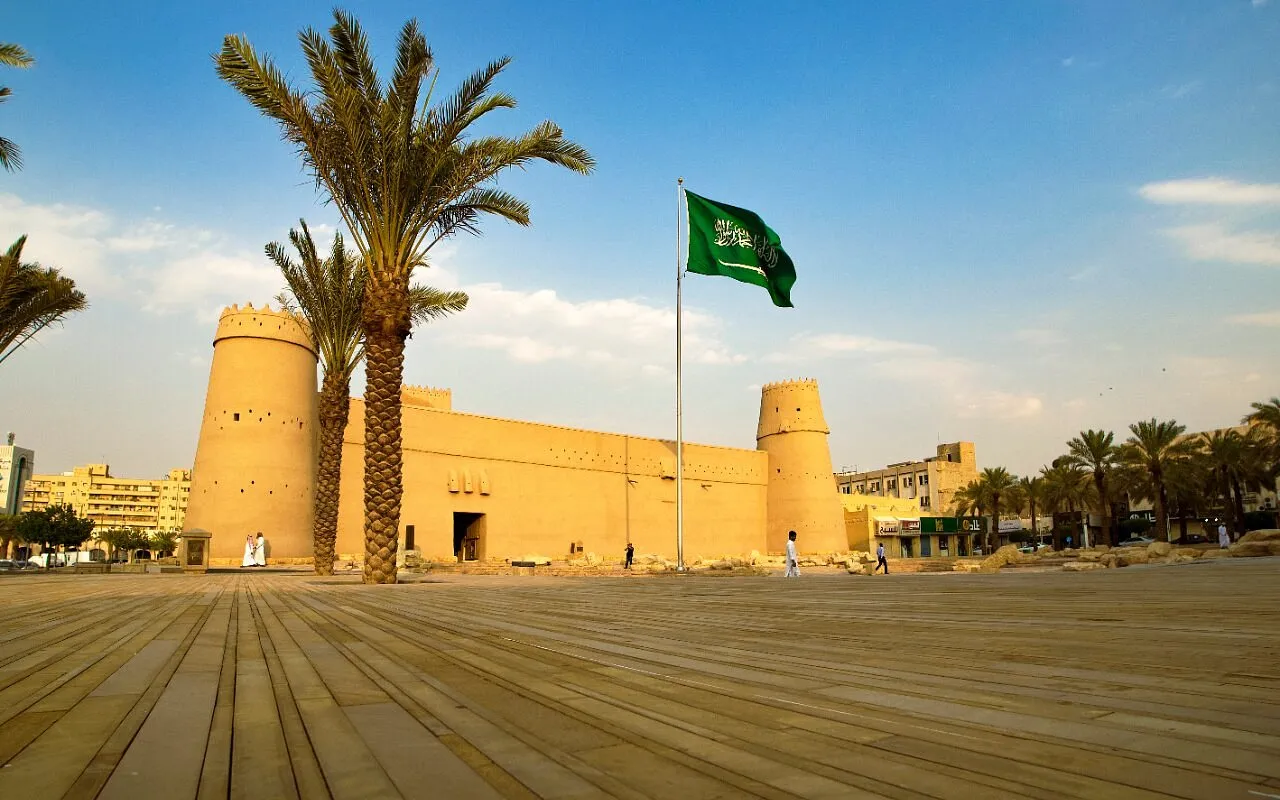
Al Masmak Fortress is one of those stops that feels essential because it anchors the city’s story in a single, recognisable place. For anyone unfamiliar with Riyadh, it helps connect the modern skyline to the older political and historical foundations of the capital.
I would include it because it is straightforward, meaningful, and easy to fit into a busy schedule. Not every visitor has time for a full day of heritage exploration, but a place like Al Masmak can still give a strong sense of continuity. That matters during a week like LEAP, when the pace can make every destination feel interchangeable unless it offers a clear point of view.
Al Murabba Palace: another layer of the city’s memory
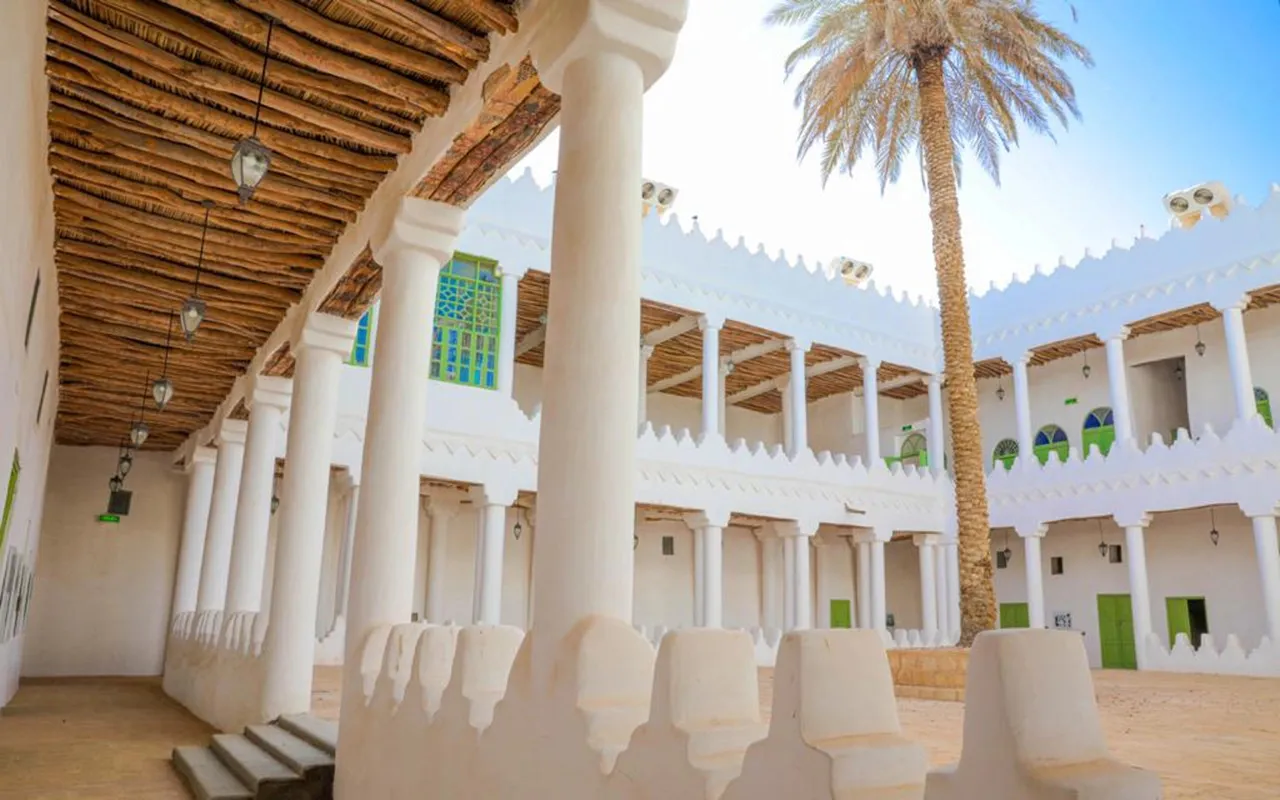
Al Murabba Palace is another useful stop for visitors who want to see how Riyadh’s past is preserved in the center of its present. It adds depth to the heritage side of the itinerary and works well alongside the city’s other historical sites.
What I like about including Al Murabba in a LEAP-week list is that it broadens the picture. Diriyah is important, Al Masmak is essential, but Al Murabba helps show that Riyadh’s historical identity is not confined to one district or one type of landmark. It is part of the city’s wider fabric.
KAFD: Riyadh’s modern business face
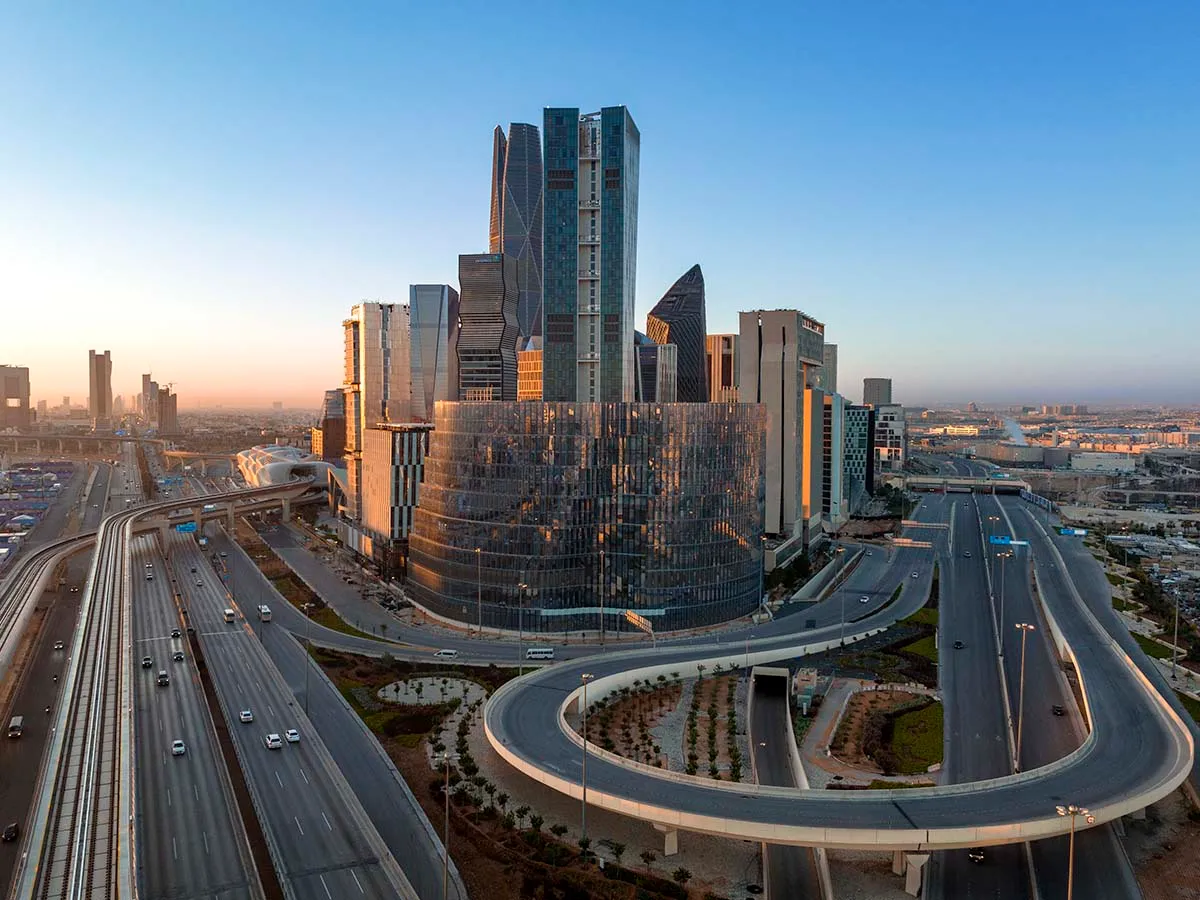
For LEAP attendees, KAFD will feel especially relevant because it captures the city’s modern ambition in a way that aligns closely with the event itself. It is one of the clearest examples of where business, architecture, and urban identity meet in Riyadh.
I would not frame KAFD as a cultural detour in the traditional sense. Instead, it is part of the broader experience of understanding where Riyadh is heading. For visitors who spend most of their week in conference halls, it offers a look at a different kind of capital city: polished, forward-looking, and built around the logic of enterprise.
I strongly recommend visiting KAFD one evening to experience the real vibe of this modern destination and explore some of the best bites and coffees offered by its top-notch eateries and specialty coffee shops.
Via Riyadh: an easy way to unwind
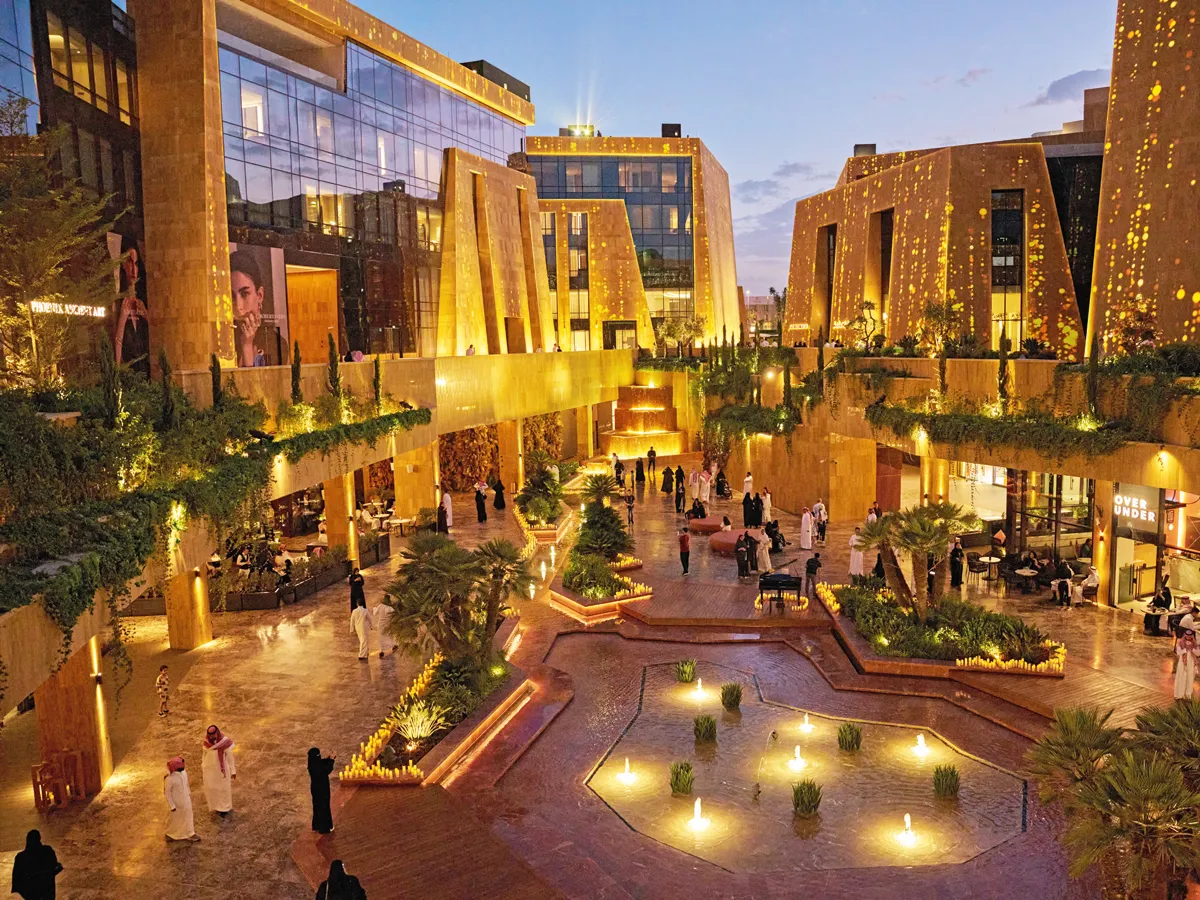
Via Riyadh fits neatly into a LEAP schedule because it gives visitors a more relaxed, contemporary setting without feeling disconnected from the city’s broader high-end rhythm. It is the sort of place where a business traveler can decompress without needing to leave Riyadh’s modern core.
I see it as a useful option for evenings, informal dinners, or a quieter break from the intensity of the expo week. Not every visitor wants a museum or heritage site after a long day. Sometimes the right answer is simply a place that feels comfortable and well put together.
Tahlia Street and Laysen Valley: for a softer city experience
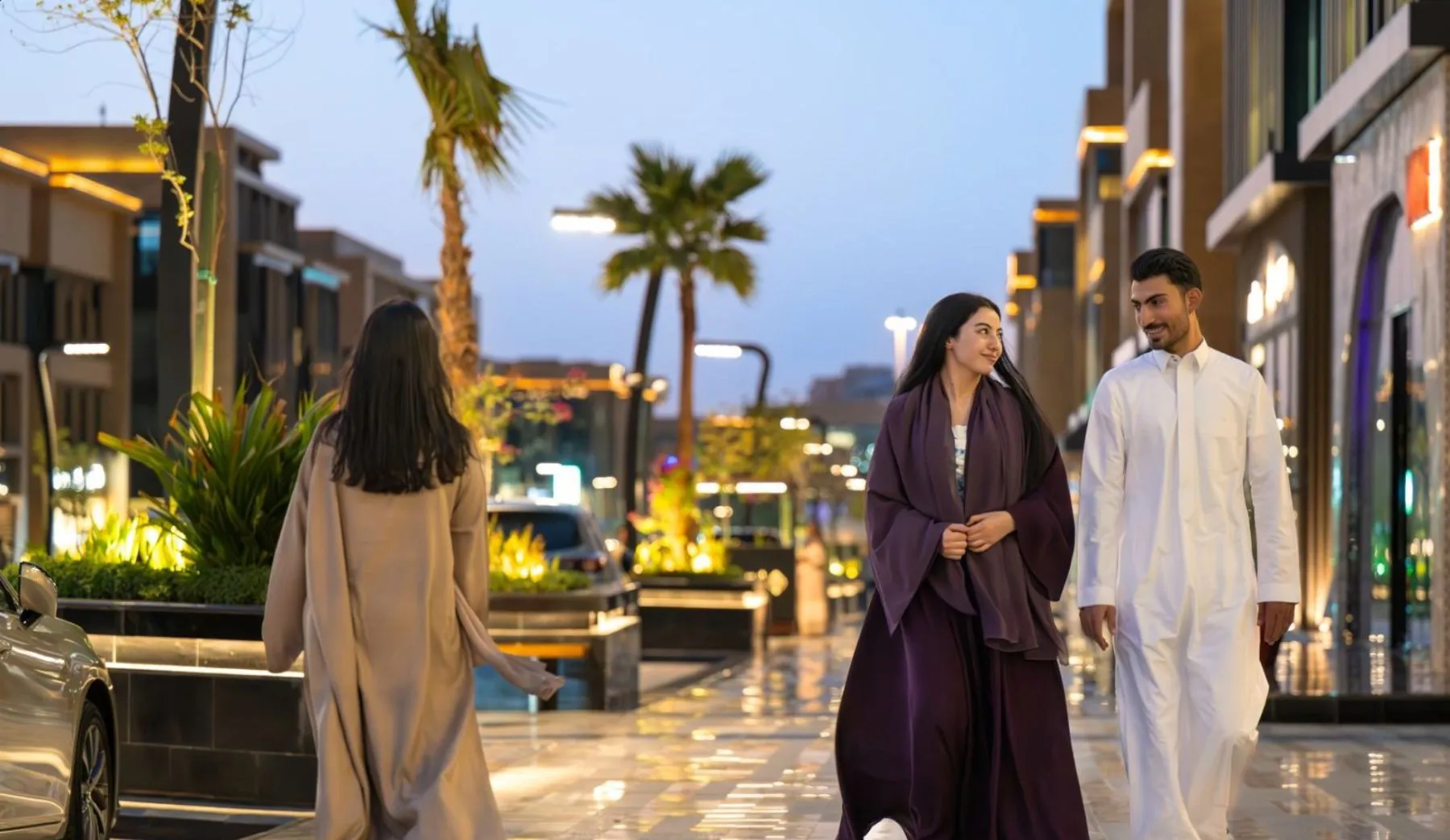
A walk along Tahlia Street is one of the simplest ways to feel Riyadh’s contemporary energy. It is vibrant, active, and easy to fold into an evening when you do not want a structured outing.
Laysen Valley adds another layer, especially for visitors looking for dining and a more social atmosphere. For me, it represents the part of Riyadh where business and leisure overlap most naturally. That overlap matters for LEAP visitors, because the city often reveals itself best in those in-between moments: after meetings, before dinner, or on the way back to the hotel.
A practical way to think about a LEAP visit
If I were planning a LEAP itinerary for a visitor who wanted more than the conference floor, I would think in two directions.
- For heritage and context: Diriyah, Al Bujairi, Al Zal, Al Masmak, and Al Murabba.
- For the modern city: KAFD, Via Riyadh, Tahlia Street, and Laysen Valley.
That balance is what makes Riyadh interesting during a major business week. It is not just a place to attend events. It is a city where a visitor can move from history to contemporary urban life in a single day.
For LEAP attendees with a little time to spare, that is the real opportunity.