Tourism Gulf
The Gulf is discovering a new tourism asset: cool weather
If regional destinations can turn climate into an asset, they may capture more of the summer spending that usually leaves the GCC.

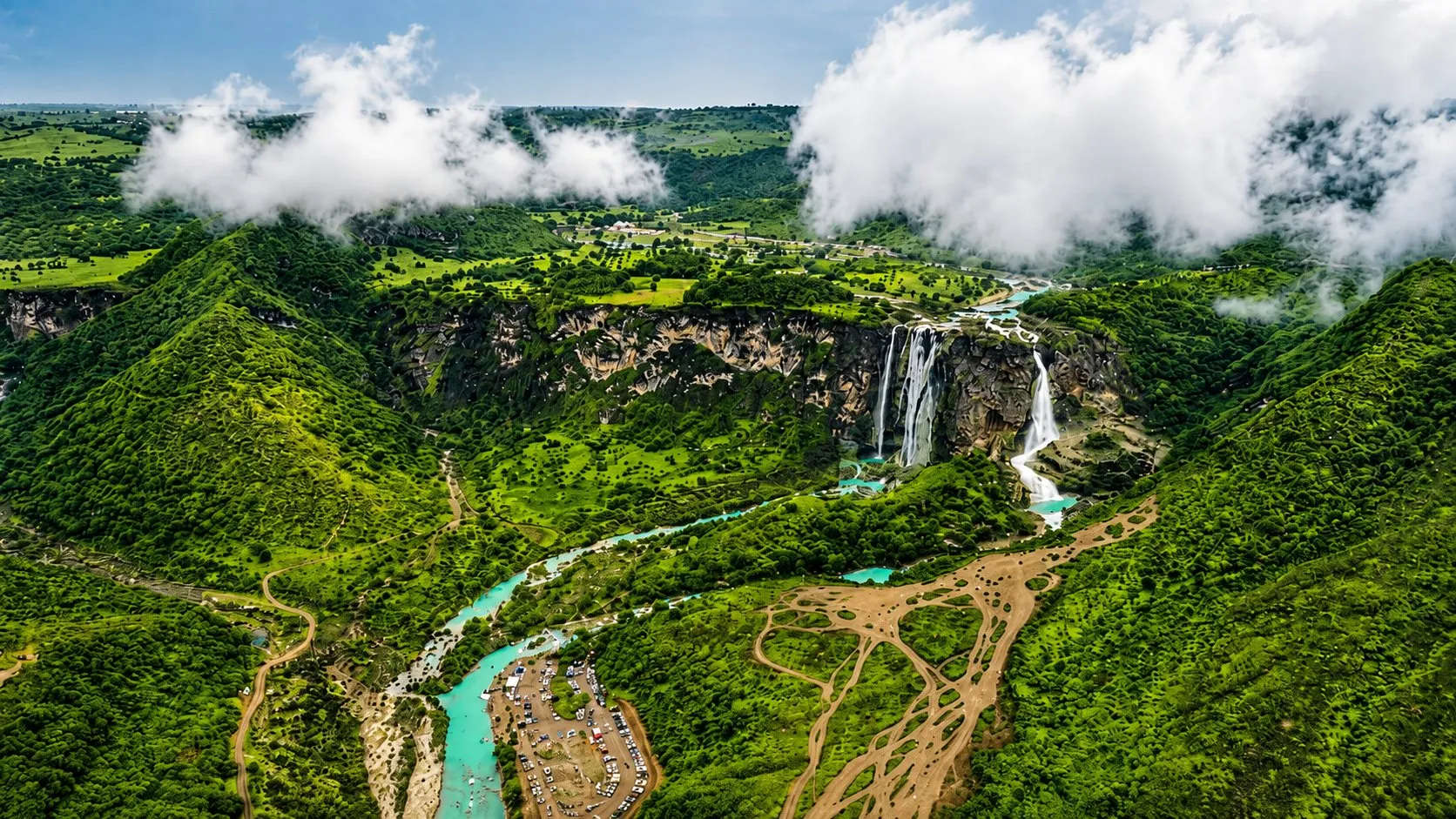
A simple advantage the Gulf has not fully priced in
The Gulf’s next tourism opportunity may be something surprisingly simple: cooler weather.
That may sound basic, but the data suggests it is becoming commercially meaningful. Booking.com’s 2026 Travel & Sustainability Report found that 74% of travellers consider extreme-weather risk when choosing a destination, and the same share considers it when deciding when to travel. A further 31% said they have cancelled a trip because of extreme-weather concerns, while 42% are planning to travel outside traditional peak seasons.
Just as importantly, 25% say they are actively seeking cooler destinations, and 55% believe some places have become too hot to visit at their preferred time. Search patterns point in the same direction: accommodation searches for cooler European destinations during June to August 2025 rose sharply year on year, including Norway, Slovenia and Finland.
What interests me is that temperature is no longer just background information. It is starting to function as an active destination-selection criterion.
The opportunity is not a travel trend. It is a market shift.
That matters because much of Gulf tourism strategy has historically been built around manufacturing climate comfort indoors: air-conditioning, enclosed malls, indoor entertainment, covered attractions and even indoor ski slopes.
Gulf cities have historically responded to summer by creating controlled indoor environments. Cooler mountain and monsoon destinations offer a different model: the climate itself becomes part of the attraction. Some destinations in the region already possess a natural climate advantage. Altitude, monsoon patterns and geography act like a form of built-in tourism infrastructure.
I think that is the deeper commercial story. The question is not whether these destinations are “cooler.” The question is whether they can turn that climate differential into a full tourism product.
Aseer shows how the model can scale
Aseer is a strong Saudi proof point.
Aseer Summer Season 2026 is targeting more than 3 million visitors, with 122 events, 100 bookable tourism experiences, around 3,000 seasonal jobs, a targeted hotel occupancy rate of 55% and average visitor spending of SAR1,287. Saudi authorities are explicitly positioning the destination around mountain landscapes, outdoor experiences and mild climate.
That combination matters. It shows the “cool-weather economy” is already moving beyond marketing into employment, accommodation supply, events and investment.
Visit Saudi lists Aseer’s typical predicted summer temperatures at roughly 16°C to 31°C. In commercial terms, that climate gap creates a meaningful contrast with major Gulf population centres during peak summer.
Rather than simply saying Aseer is cooler, I think it is more useful to frame climate and altitude as an economically exploitable form of natural infrastructure.
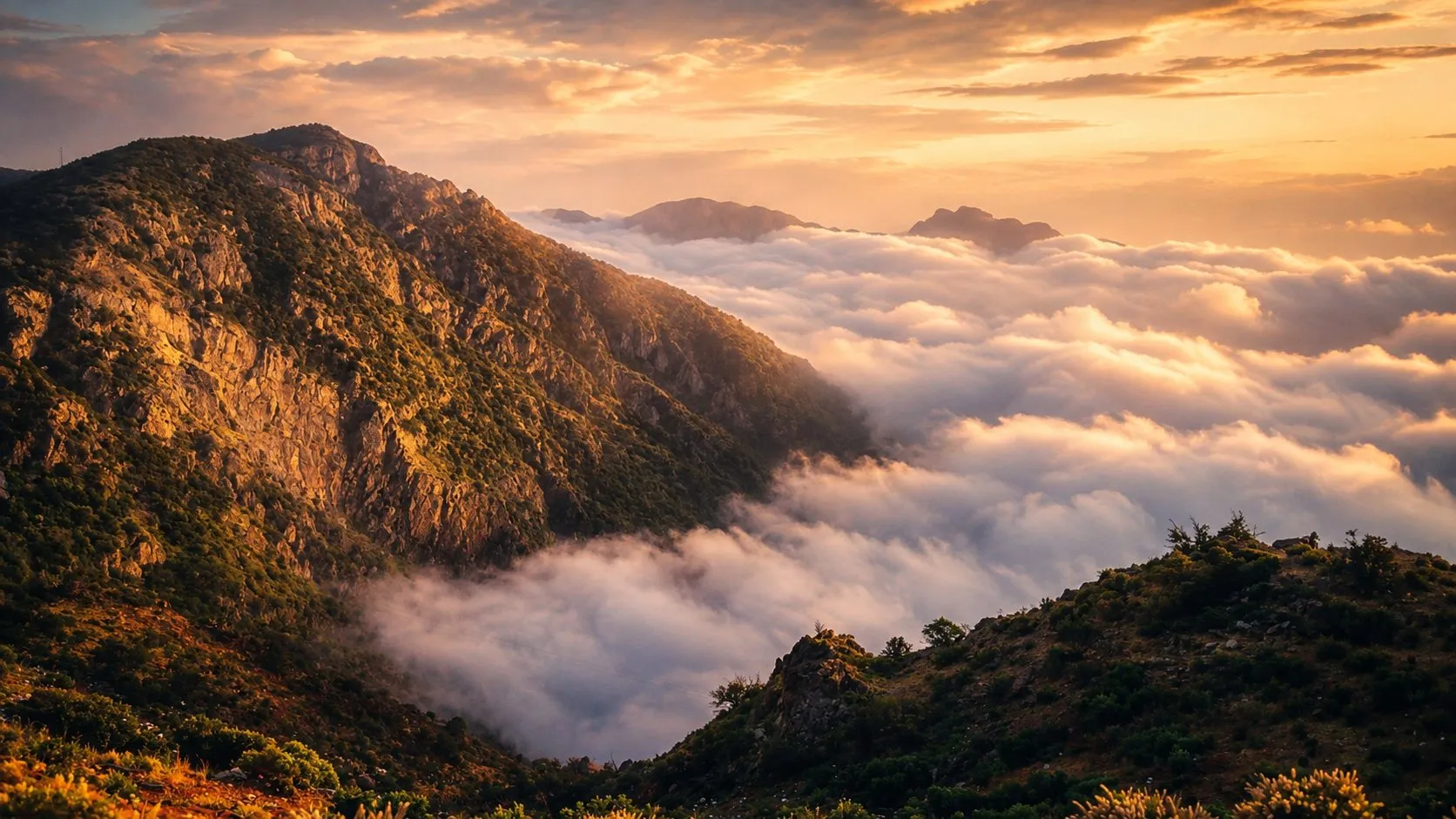
Dhofar shows what a seasonal economy can look like at scale
If Aseer points to the opportunity, Khareef Dhofar shows that the model already exists.
Official Oman statistics show that the 2025 Khareef Dhofar season attracted 1,070,738 visitors, up from 1,047,751 in 2024 and 962,196 in 2023. That is an 11.3% increase between 2023 and 2025.
Visitor spending reached about OMR125 million in 2025, up from OMR121 million in 2024 and OMR103 million in 2023. Visitors also generated around 7.4 million visitor nights during the season, up 4% year on year.
Those figures make Khareef much more than a seasonal tourism campaign. It is already a substantial seasonal economy.
The regional dimension is important too. In 2025, visitors from other GCC countries accounted for roughly 17% of Khareef visitors. That tells us Salalah is not only attracting international travellers. It is already demonstrating regional demand for a summer destination built around a different climate.
Demand only matters if infrastructure follows
This is where the commercial story gets stronger.
During Khareef 2026, Oman Air and SalamAir added 192 additional flights and 35,639 extra seats between Muscat and Salalah in July alone. On peak days, Oman Air increased Salalah capacity from around 675 seats per day in April to more than 3,000, while SalamAir increased capacity from around 495 seats to 1,505. Travellers could choose from as many as 23 daily Muscat–Salalah flights.
International access expanded too. Oman Air launched direct Dubai–Salalah service and a Bahrain charter, while SalamAir introduced seasonal direct flights from Dammam and Baghdad.
A few weeks later, Salalah Airport recorded 154,529 arriving passengers between 21 June and 31 July 2026, up 8% from the same period in 2025, with arriving flights up 7% to 1,758.
That is the key point: climate becomes a much more valuable tourism asset when aviation makes it accessible to large GCC population centres.
The real value is in the ecosystem beyond hotels
The strongest evidence for the wider economic effect came through Wadi Darbat.
Oman News Agency reported in August 2026 that Khareef demand around Wadi Darbat is supporting youth-led businesses across rural rest houses, tourist chalets, cafés, boat operations, adventure tourism, handicrafts and local food and heritage products.
A few examples stood out to me. Darbat Chalets began with only three chalets around five years ago and has expanded into a more complete tourism operation. A local café has combined landscape, design and social-media appeal to become part of the destination experience. The Wadi Darbat zipline operation is expanding to four outbound and four return lines and expects to create around 72 seasonal jobs in 2026.
Climate does not just fill hotel rooms. It can create a distributed local economy.
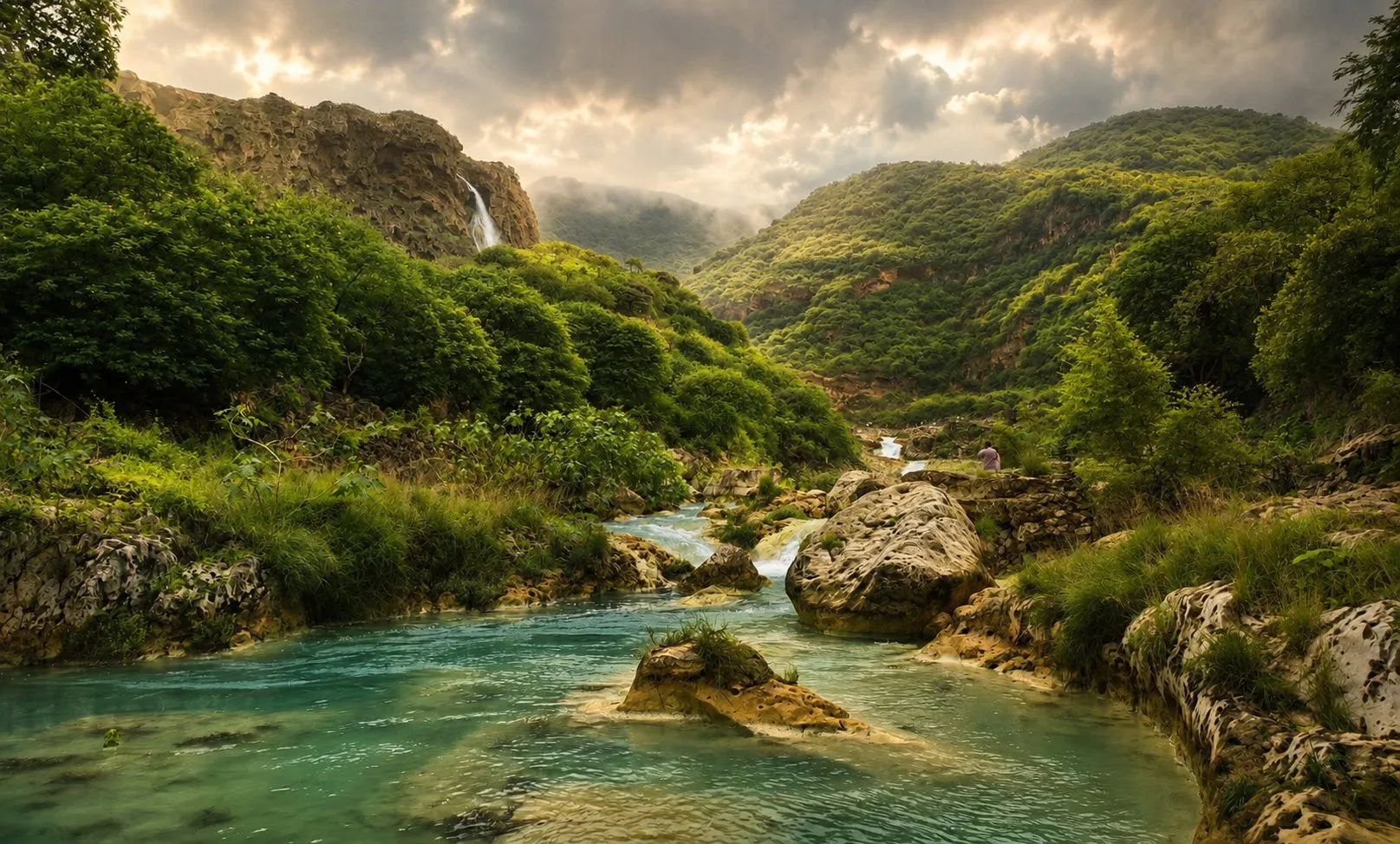
The competitive set is wider than the region
It is also important not to frame Aseer, Al Baha, Taif and Dhofar primarily as competitors with each other.
Their larger competitive set during July and August includes the destinations GCC residents have traditionally travelled to for cooler weather and outdoor life, including Turkey, Georgia and the Caucasus, Alpine Europe, and the UK and northern Europe.
So the strategic question is not whether regional destinations will replace European summer travel. It is whether they can capture a meaningful share of the outbound GCC leisure spend that usually leaves the region in the hottest months.
That is a more defensible argument, and commercially a more interesting one.
From weather to product
The Gulf has spent decades building ways to escape its climate. Its next tourism opportunity may come from places where it does not have to.
That is why I think cooler microclimates should be treated as tourism infrastructure in the same way beaches, heritage assets or entertainment districts are treated as tourism infrastructure.
The commercial task is not simply to market cooler weather. It is to build an ecosystem around it: connectivity, accommodation, F&B, outdoor recreation, events, wellness, local products and SMEs.
The winners may not be the destinations with the lowest temperatures. They will be the ones that make their climate advantage easiest to consume with convenient access, compelling places to stay and enough to do to turn a weather escape into a multi-day trip.
The Gulf has spent decades building ways to escape its climate. Some of its next tourism winners may be the places where it does not have to.